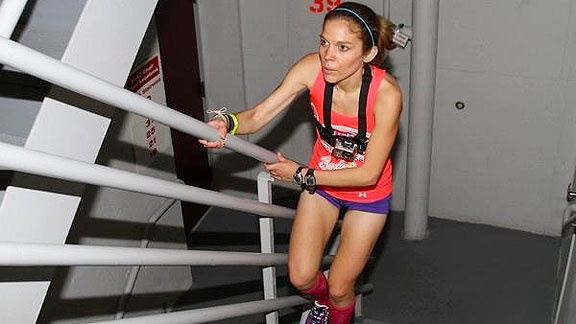
It was another busy day in the stair climbing world with nine races today; two in Europe and seven throughout the USA.

In London, UK the charity Shooting Star Chase held their first stair climb at Broadgate Tower, the UK’s 12th tallest building. The opportunity to climb 877 steps of a new tower proved an attractive prospect as some top athletes headed to the capital for the race.

These included Germany’s Ralf “The Natural” Hascher (who has a cool website here) and Britain’s most successful stair climber Mark “The Marauder” Sims (who gave us an interview last month). The pair had last competed against each other at the Towerrunning World Cup Final in January, where Sims finished 15th and Hascher, just five seconds behind, finished in 18th. We had a brief chat with both athletes before they raced, and it was clear to see they were both very focused.

In a fast race it was Hascher who settled scores and reversed fortunes with a win in 4:07. Sims followed in a time of 4:16, with highly competitive Scottish fell runner Andrew “Braveheart” Barrington transitioning well to stair climbing and finishing in 4:35.2. Jonathan “President” Kennedy was denied a podium finish by the slightest of margins as he finished in 4:35.5. The top five was rounded out by Tower Running UK’s very own Patrick “How do you come up with these nicknames?” Gallagher, who managed a sub-5min finish by the skin of his teeth, crossing the mat in 4:59.7.
B-7ooXaWkAEqRjQ

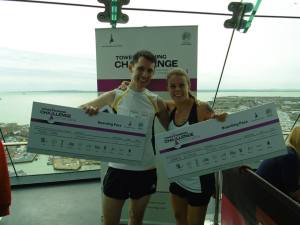
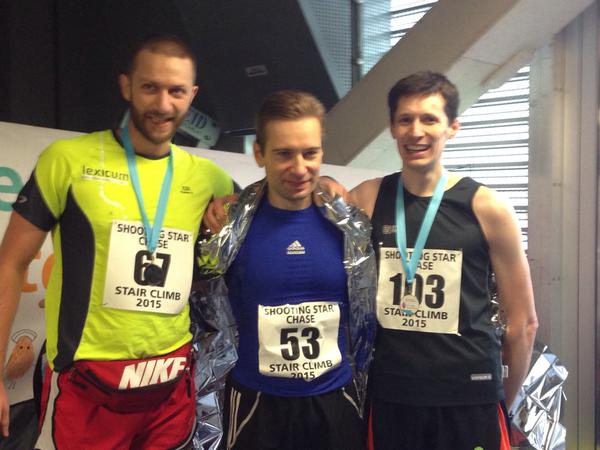
Mark Sims (103) and Stefan Kiryazov (67) pose at the top of Broadgate Tower with race winner Ralf Hascher (53)

In Albany, NY there was a clear winner at the 27th Cystic Fibrosis climb in the Corning Tower. Absolutely crushing the 809 steps in 4:48 was David “Soaring Eagle” Tromp. The Glenmont, NY native has hit a rich vein of form of late, having also taken a top ten finish at ESBRU earlier in the month. *Start spreading the news…!!* Fastest woman up in Albany was Michelle Davis who finished in 7:04. Like stair running great Alex Workman, Michelle is also from Schenectady. They grow them strong up in those parts!!

At the SkyRun in Budapest, Hungary, Austria’s Klaus “The Mauerbach Tornado” Hausleitner cleared the 402 steps of the Duna Tower in a winning time of 2:28. Last month he finished 8th at the Towerrunning World Cup Final race. Klaus is showing some great form this year. The fastest lady was Krisztina “Flaming Vortex” Inczédy (2:58) who was the only woman on the day to go sub 3 minutes. She evidently has a need…a need for speed!!

Back over in the States, it was a second win of the season for “The Future” Troy Alston. This guy is on fire right now! Is there anybody in Florida to stop his rampage? He flew up the 529 steps of the 110 Tower in Fort Lauderdale in 2:28, leaving well over a minute between himself and second place. The winner of the women’s section was Gloria “Real Deal” Rilo who finished in 5th overall in a time of 4:12.

In Minneapolis, Jason “The Steel Oath” Larson went one better than his second place last week with a win at the Cystic Fibrosis Climb in the IDS Tower. His winning time up the 1280 steps was 7:08. The fastest woman, taking second overall (awesome!!) was Melissa “The Slingshot” Gacek who finished in 8:15.

At the time of writing results were unavailable for the Fight For Air Climbs that took place in Oklahoma, Salt Lake City, New Haven and Houston. These will all appear on the towerrunning.com results page here, sometime soon. If any finishers at those races want a nickname get in touch and I will update these race results 😉

Congratulations to everyone who climbed today.

Keep climbing!
It was a busy, busy time in the stair running world this past weekend with three events on Saturday 21 Feb and four events on Sunday 22 Feb happening around the world.

Over in Omaha, Nebraska, course record holder Ivan “The Phantom” Marsh took the win at the 9th Trek Up The Tower, clearing the 870 steps of the First National Tower in a speedy 4:41. He was pushed hard by Ryan “King Kong” Long in a time of 4:54, with the pair clocking the only sub-5 minute times of the day. The impressive Nikki “Whispering Buffalo” Perry was the fastest female, taking a top ten finish at the same. Fist pump to Nikki!!

Up in Minneapolis it was all go at the 8th Fight For Air Climb at the US Bank Plaza. To be honest, we can’t quite make sense of the preliminary results but you can have a look here if you like and try to figure it out. Well done to all who took part anyway.

In Hannover, Germany there were nine people taking on the gargantuan task of a vertical marathon!!! This involved climbing and descending a stairwell 194 times for a total of 41,904 steps (up only). The “winner” (they’re all winners, seriously) finished in 11hours and 38minutes. Here is a brief video from the event. We’re not so sure what is being said, but these guys look tough as nails and at 0:46 you will also see probably the shortest shorts ever made in the history of global textile production. Yes stair climbing is serious business, but who says we can’t look sexy while we do it? Am I right??

Sunday saw one of the biggest events in the United States stair running calendar, as racers gathered at the John Hancock Centre in Chicago for the 18th Hustle Up the Hancock. Powering up the 1632 stairs in first place was Eric “Veritas” Leninger, with a semi-mind bogglingly speedy time of 9:51. In hot pursuit was distance running coach Dan “The Vision” Walters in 10:12, with stair running legend Jesse “Ice” Berg filling the podium in 10:40. With Leninger pipping Walters at the Fight For Air Climb in Oakbrook a few weeks back too, their burgeoning rivalry will be something to follow over the coming year. Unfortunately Justin Stewart took ill before the race and had to pull out. This is a real shame as his inclusion would have added a very interesting element to the proceedings.

The women’s side of the race was dominated by some familiar names as “The Phenom” Cindy Harris added another win to her record, finishing in 11:44. Just three seconds behind in 11:47 was Liz “The Punisher” Ruvalcaba. Liz is the girlfriend of Eric Leninger; talk about a Power Couple. Love birds be getting things DONE!!

We can’t quite fathom that third place may actually be just 14 years old, but the results suggest that Brett “The Bullet” Chody is just that. Her sub-13 minute time of 12:25 is a bit of a revelation. If she stays in the sport, we can certainly expect to see her name topping race results in the future, for sure. Congratulations Brett, we are humbled!!

Of course the essence and appeal of stair running isn’t about times or results. It’s about guts, not quitting, camaraderie and pushing through. This is all on show in this video that shows a guy called Mark Block setting a PB, cheered on by his friend Karen Geninatti. This is pretty awesome!!

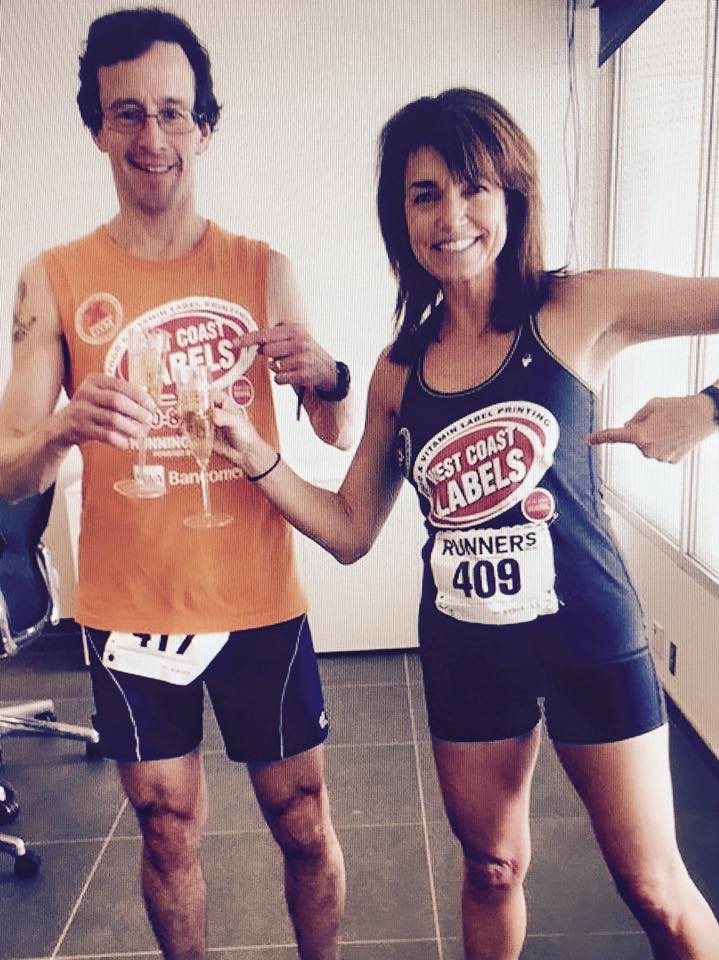
In Philadelphia, runners took to the 53 stories of the BNY Mellon Bank Center for the 28th Cystic Fibrosis Foundation Climb. The Tower Masters (and West Coast Labels team members) stayed true to their name as legend Stephen “The Beast from the East” Marsalese took the men’s top spot in a clean 7minutes flat, with fellow team member Sally “Phoenix” Kalksma taking the ladies win (and 7th overall) in 9:35.

Stephen Marsalese and Sally Kalksma toasting their victories

Stephen Marsalese and Sally Kalksma toasting their victories

In Denver, David Roeske took the win at the 10th Fight For Air Climb at the Republic Plaza, with Heather Inglis taking honours in the ladies section.

Stair climbers in Australia got to break in a new stairwell as they tackled the Q1 Tower in Queensland’s Gold Coast, at the inaugural Sea to Sky Stair Climb. Despite stormy weather that threatened to keep some climbers away, the event went off successfully and we are sure the race will be a very welcome addition to Australia’s list of annual climbs. As expected, the phenomenal Mark Bourne took the win fairly handily on the day in 6:45, with Kim Hamilton leading the women in with a time of 10:03. Adam Ryan from Stair Climbing Australia has put together this excellent video, which shows a variety of the elite runners at different times throughout the race. Seeing Mark Bourne still powering away somewhere on the 76th floor is worth checking out. Nice little soundtrack on this one too. Great work!

That wraps up this week’s results. Congratulations to everyone who got out there and took part. Keep climbing!!

Last Sunday saw stair climbers gathering at Cincinnati’s Carew Tower for its 10th ALA Fight For Air Climb (local news feature here). Along with raising funds for the American Lung Association, the popular event saw the crowning of a new champion in their Vertical Mile Challenge.

The Carew Tower in Cincinnati

The Carew Tower in Cincinnati

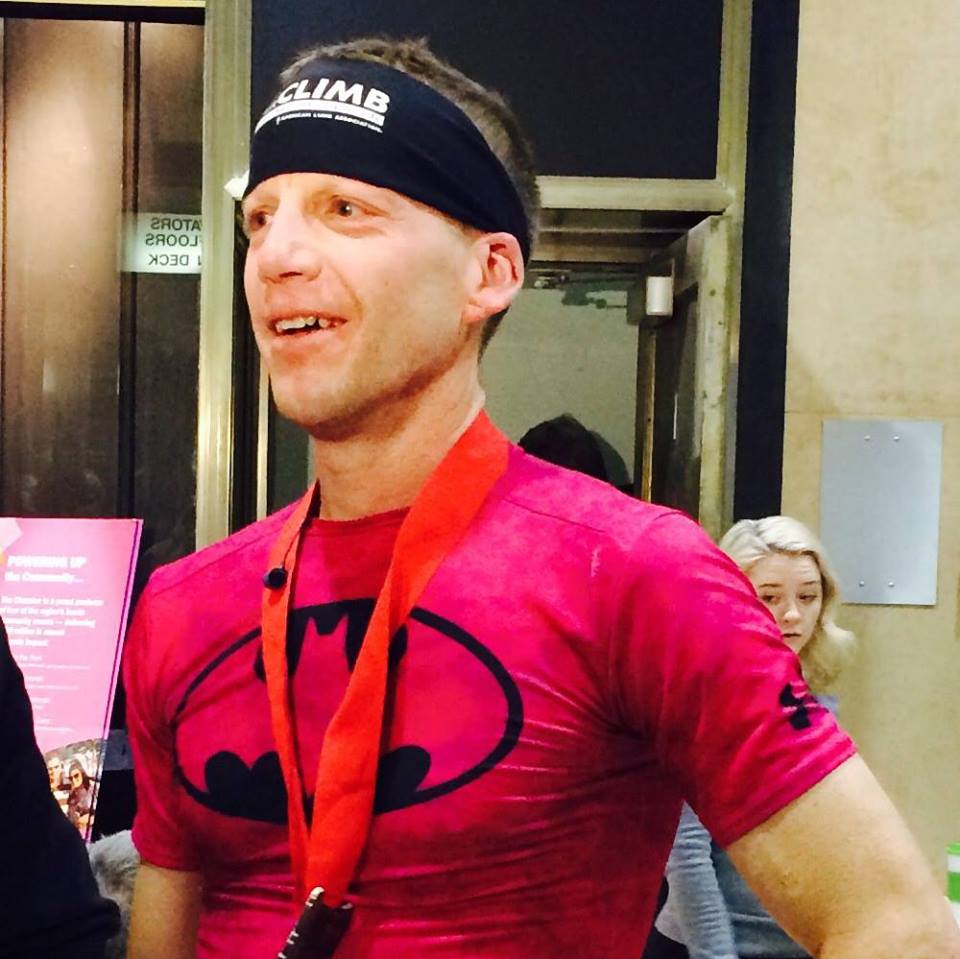
While close to 500 runners took to the 804 steps for a solitary climb at the event, there was a hardy crew of fifteen who settled in for the Vertical Mile challenge. This format saw runners doing ten and a bit consecutive climbs and descents, with Dan ‘The Dark Knight’ Klocke taking the win in an impressive 2:07:37, holding off a strong push from ‘Big’ John Dipuccio.

The win came as a big surprise for Klocke, who had done the mile challenge the previous eight years and usually finished in the middle of the pack. “I had never won this race before; in fact, I never thought I would. Toward the end of last year, I made some changes to my diet and lost about 10 pounds. In addition, I did more cross-training. I think it made me stronger all the way around but I still doubted that I would have the speed to compete” said Klocke. The athlete, from Cleves, Ohio took an incredible 16 minutes off his PB and held off stiff competition while taking victory. “Some of the previous winners were back, so I was only hoping to have my personal best, which was 2:23. And it feels incredible to be the winner. Since I thought it was out of my grasp, it is still sinking in that I won.”

The grueling format requires climbers to descend the 45 floors after each climb, with each contestant required to wear gloves because so many people had torn their hands on the railings in previous years. “I was actually passing someone on the way up, but he would pass me on the way down, It is pretty intense to fly down 45 flights when your legs are tired.”

With only a minute separating first and second place, over the course of a two hour race, it was evidently a closely fought contest. Despite this “The Dark Knight’ stayed solely focused on the task at hand. “It was interesting because I wasn’t sure how close it was. The climbers are started a minute apart from each other and I wasn’t sure where everyone started. The guy that I kept passing, commented that he thought I had a shot to win, but it was hard to know for sure. Even when it was finished, it took time for the results to be calculated because it was recorded manually.”

While of course the sweet taste of glory is rewarding, there is more to it than that for Dan Klocke. “The main reason I do this climb is to support the American Lung Association. The first year they had the stair climb (2005), it was just a one time up event and was fun, but over too quick. Then they added the Vertical Mile and I became hooked. Since that time, I was asked to be on a volunteer board for the ALA to help support the local cause. It has opened my eyes to all the great work they do and how much they need this fundraiser to keep the good work going.”

Dan is also hoping to break another personal goal with his fundraising. You can help him, and of course the ALA, by donating here.

Dan Klocke looking fresh after his win

Dan Klocke looking fresh after his win

In the single climb event, hometown boy Alan ‘The Hero’ Zaffiro (M55+) held off the precociously speedy sixteen year old Conor ‘The Middletown Flash’ McNult to take the win. The pair were the only ones on the day who clocked a sub-6 minute time. Erin ‘Maverick’ Pifer did her native Kentucky proud with a win in the women’s section, in a time of 6:50.

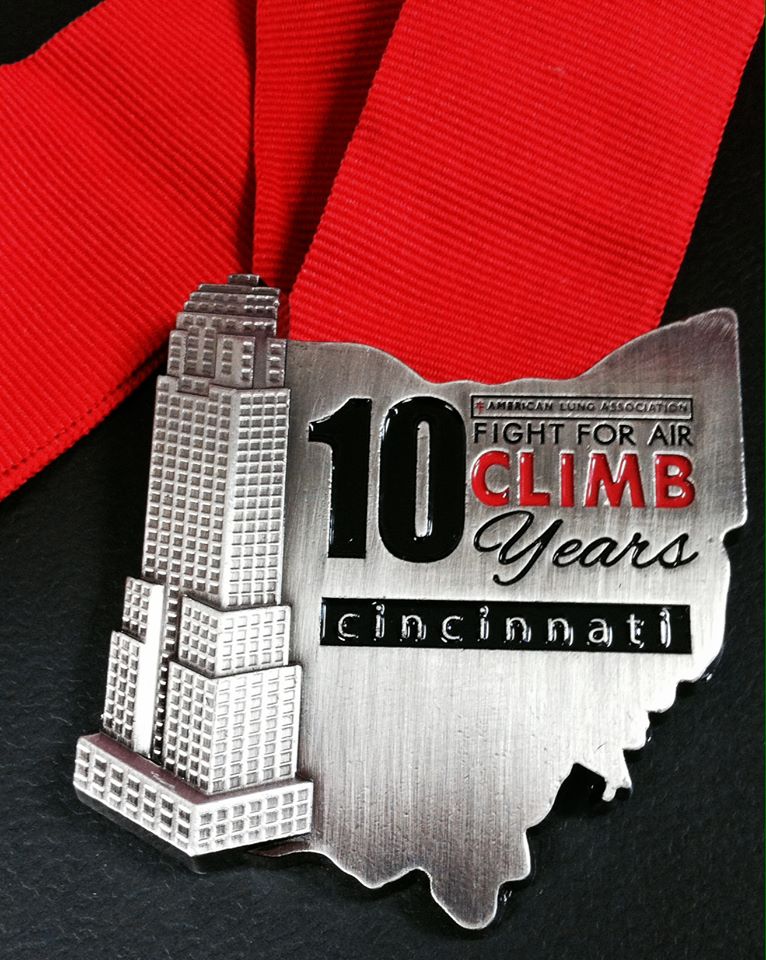
A gorgeous 10th anniversary medal

The event’s gorgeous 10th anniversary medal

Congratulations to everybody who took part. Keep climbing!!

Pre-race nerves

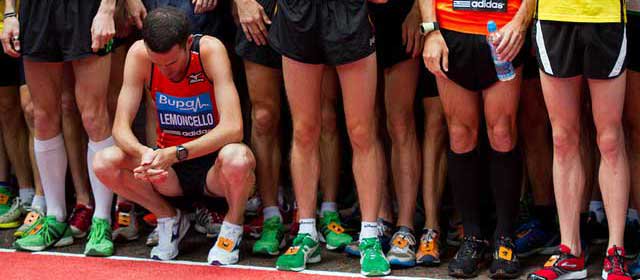
In the right amount, pre-race nerves can sometimes enhance performance, but when they get out of control they can really suck the enjoyment out of an event.

There are loads of strategies available to try and tackle them, such as breathing exercises, listening to music or tensing and relaxing each muscle group.

Read on to find out three of our favourite methods for tackling pre-race nerves.

Have your gear packed the night before

It’s the night before race day, what are you doing? Up late watching the UFC? (guilty) Watching the Bulls play? (guilty). Or are you in bed early with your race bag packed and ready by the door? Do you know your route to the tower and how long it’s going to take to get there? Have you planned what you’re having for breakfast?

All of these things if left to the last minute add to the stress of race day. A little bit of time taken to plan ahead and you can head into your race with only one thing on your mind…giving everything you have in the stairwell, just like world number one Suzy Walsham.

https://www.instagram.com/p/Be57NopDqrW/

Visualise the race

The importance of visualisation for success in stair running is more important than for any other running discipline. How so?

Well, if you wanted to, you could run around 50 fairly competitive 5k races a year in the UK just turning up to your local free Parkrun event. Every single week somewhere in the country or near a city you live in there will almost certainly be an organised race to take part in. This allows runners to build up race experience and more importantly pacing strategies. There are then more blocks with which to build your vision before each race of how things are going to potentially play out.

But this just isn’t the case with UK tower running. Even if you had managed to sign up to every stair race in the country last year, you would only have raced less than 15 times. Most of those races would have been different too. Different turns, vastly differing numbers of stairs and widely different numbers of fellow climbers. Figuring out a pacing strategy for a building you get to enter once a year is difficult. Sure, if you can get access to a tall tower for your training you can work on pacing and technique, but how many of us have that luxury?

This is where the importance of visualisation comes in. You often have to work with limited experience and knowledge, so you have to take the bits you do know about and enhance them and make them clear and bright in your mind. This can be tricky, but if you can get it right it really helps come race time.

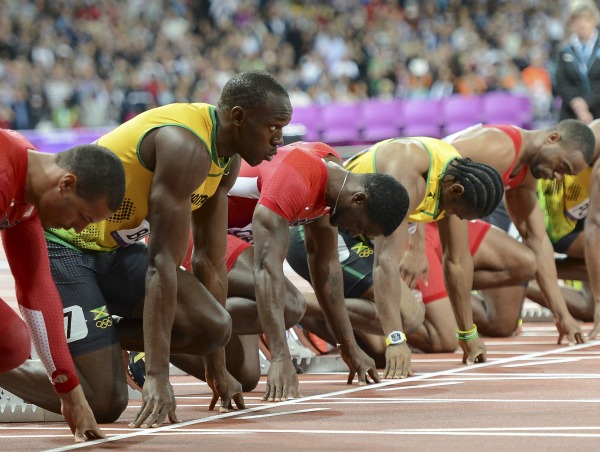
usain-bolt-visualisation

If you’ve raced a certain tower before, then draw on that experience. Picture the buzz around the start line, imagine dashing into the stairwell, feel the lactic acid building and your pulse racing upwards. Remember where the real hurt kicks in and have a strategy for handling the effect that has on your mind and will. All this will go quite some way to helping you settle your pre-race nerves. Have a race plan in your mind and stay focused on executing it.

If you haven’t raced the course before, then do some research. Ask around to people who have raced it. Look for pictures online of the stairwell; how many stairs on each flight? what way do they turn? how close together are the railings?

Piece together an idea of what lies ahead and see it over and over again. Imagine crushing each flight, taking each landing turn smoothly, and kicking hard at the end of the race. Once the race is over make sure you recall the stairs and your experience so you can PB at next year’s event.

Check your expectations

If it’s your first climb and you’re not usually very sporty, then perhaps you’ll be nervous about finishing at all, or worried about the potential pain. Listen, you’re a lot stronger than you think. We really wish people would unchain the physical limitations they put on themselves. When we speak to people about stair climbs, we too often hear ‘oh I could never do that’. Or on the Facebook pages of events, you will always see people posting nervous messages asking if it’s ok if they walk or saying they probably won’t make it. You can walk and you will make it, and when you get to the top you will feel amazing! Trust us on that. The buzz on that last flight of stairs, no matter how fast you got to the top is just brilliant. So lose the nerves. Be proud you’re taking part and raising important funds for charity, and most importantly enjoy the day.

For those stair climbers who are set on being competitive, it’s a slightly different story. Your nerves are all gonna be about performance. Will I win? Will I make the top ten? Will I get an age group medal? It’s great to have these athletic aspirations, and they can drive you on to good times. But if you don’t keep them in check they can also ruin the weeks leading up to a race. One useful strategy is to have a ‘good’, ‘great’ and ‘excellent’ goal for your race. You can decide for yourself what these are, and hopefully they will lessen that fear of ‘failure’, because at the very least you are going to realise one of them

Also remember, “working hard doesn’t guarantee success, it only gives you the opportunity to succeed.” Give your best during training and on race day, and then whatever the result is you can be proud of yourself.

You might also be interested in:

Alex ‘The Schenectady Express’ Workman powered up the 819 stairs of One Boston Place on Saturday morning, equalling the course record of 4:23, and settling a score that had been nagging him for a year.

In the 2014 race, Workman was denied the win, and likely course record, after a minor mistake involving his chip timer at the end of the race (he discusses that incident here). Taking a gracious second place last year, he headed to Boston on the weekend determined to finish the job properly, and did it in style. Doing this after a strong finish at a very competitive ESBRU only three days previously makes the win even more impressive.

The ever competitive Gentle Giant Moving Co., who boasted last year’s winner Andrew Hashway, sent forth another strong challenger in Adam Cellemme, who was close behind Workman in a time of 4:28. Melbourne’s Chris Price, representing Stair Climb Australia, completed the podium, with the third, and final, sub-5 minute time of the day (4:58). As usual, the barefooted Paul Curley was showing the youngsters how it’s done, taking the fourth spot.

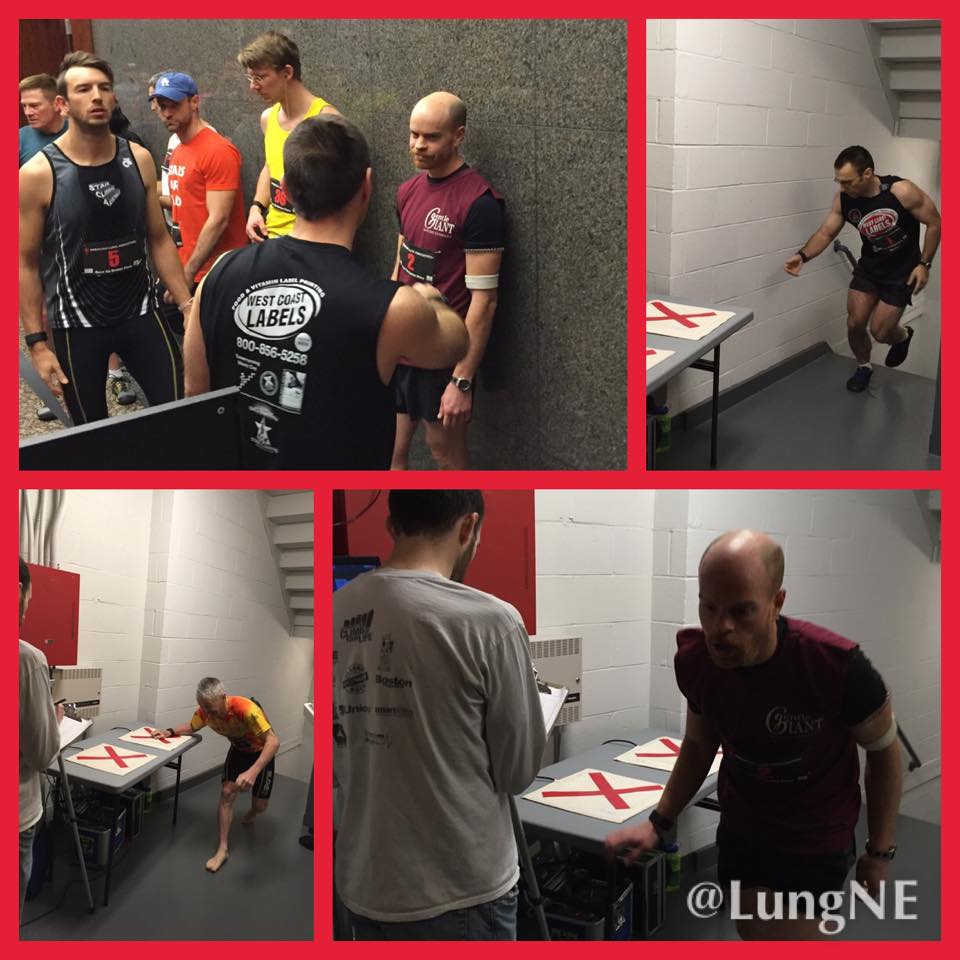
Clockwise from top left: Alex Workman explains to Adam Cellemme (2) exactly how he's going to crush him, as Chris Price (5) gets his game face on; The Schenectady Express makes sure his chip timer is ready as he reaches the top; Paul Curley dives for fourth place; Adam Cellemme  takes silver.

Clockwise from top left: Alex Workman explains to Adam Cellemme (2) exactly how he’s going to crush him, as Chris Price (5) gets his game face on; The Schenectady Express makes sure his chip timer is ready as he reaches the top; the unshod Paul Curley dives for fourth place; Adam Cellemme takes silver.

The women’s section was won by Casey Harvell (Stair Devils) who finished a very impressive ninth overall in a time of 5:28.

Down in Jacksonville, FL it was a two horse race as Troy Alston and Thomas Scott duked it out for bragging rights in the Sunshine State. The two racers were the only climbers to go under five minutes, as they stormed up 832 steps of Bank of America Tower.

Alston, representing the Wells Fargo Climbers team, took the win in a time of 4:37 with Scott finishing in 4:57.

Congratulations to both winners and all those who took part.

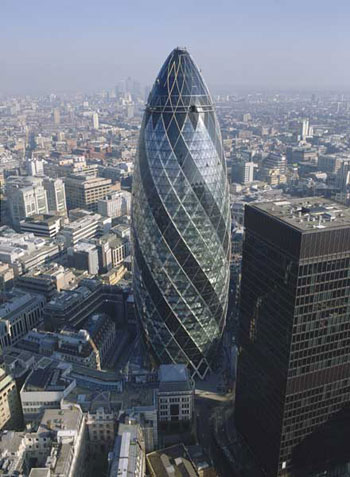
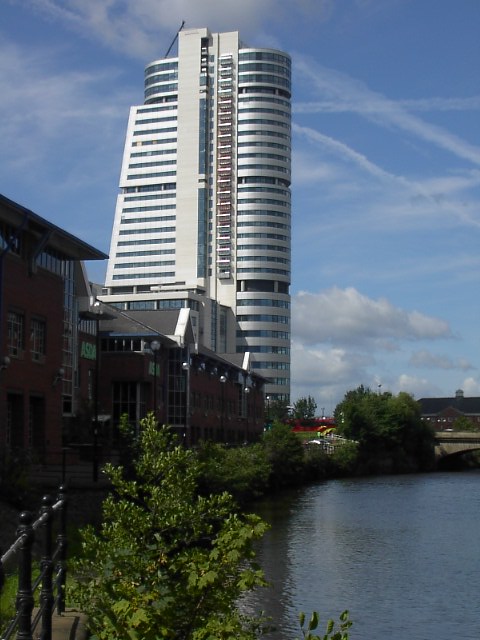
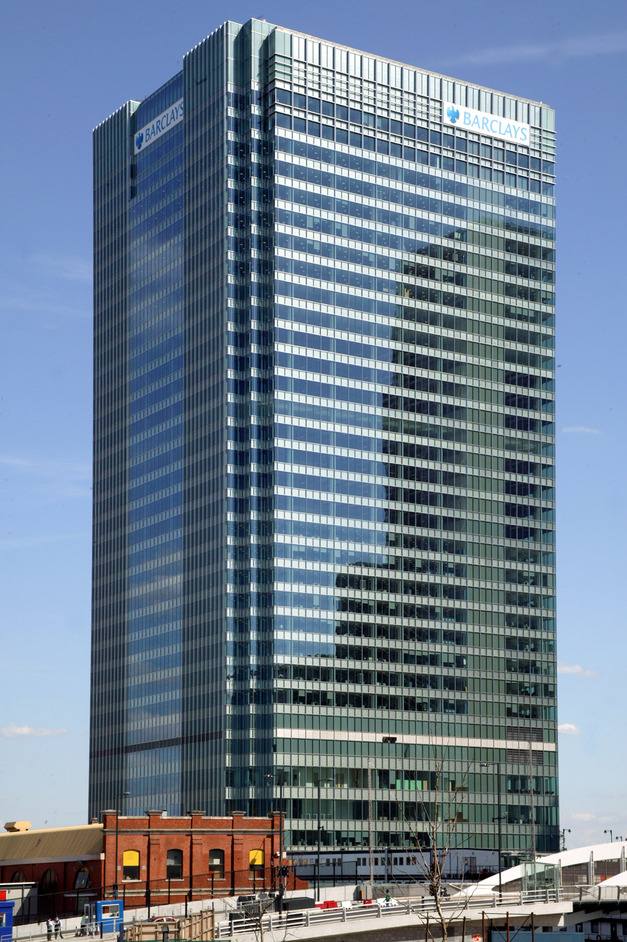
imgres-1 imgresimgres-3the-gherkin1734BridgewaterPlace_pic21RD999672_942long

The number of stair races in the UK is a bit on the lean side, and unfortunately a number of the limited races we do get are not publicised well enough. Vertical Rush and The Gherkin Challenge are obviously the most popular races, and get full media coverage, but there are often races organised by smaller charities which don’t get the attention they deserve. For example Barclay’s Tower in the Docklands held a race in December last year, which gathered no attention and was largely participated in by only Barclay’s staff. These smaller races often bypass the towerrunning.com race diary too.

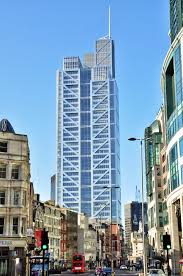
Today we found out that in September last year there was a race at Heron Tower. This is the third tallest building in the country and the race barely got a mention and had only 70 participants!! It is also on our dream list of buildings to run, so to say we are disappointed here this morning is a slight understatement.

As a result, Tower Running UK will be constantly scouring the internet to see what UK stair races are happening in 2015 This is the provisional list so far, and we will be updating regularly.

RACE CALENDAR 2015

January – no races

February – Saturday 28th – Broadgate Tower, City of London (877 steps) – Register

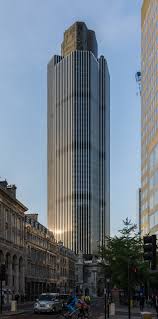
March – Tuesday 3rd – Vertical Rush@Tower 42, (932 steps) – Register

April – No races announced

May – No races announced

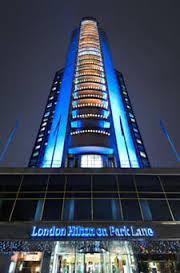
June – Friday 5th, Mayfair Power & Tower Race, Hyde Park/Park Lane Hilton (4.5km run plus 475 stairs) – Register

July – No races announced

August – No races announced

September – SUSHISAMBA Skyline Challenge, Heron Tower, London, 888 steps (likely to be September, TBC)

– NSPCC Gherkin Challenge, 1037 steps (likely to be September, TBC) – Information

October – Sunday 11th, Spinnaker Tower, Portsmouth (530 steps) – Register

– London Three Peaks Challenge, Three stair runs in one race (likely to be October, TBC) – Information

November – Great Yorkshire Stair Climb, Bridgewater Place, Leeds, 522 steps (likely to be Nov, TBC) – Information

December – Barclay’s Tower, Docklands, 900 steps (likely to be Dec, TBC)

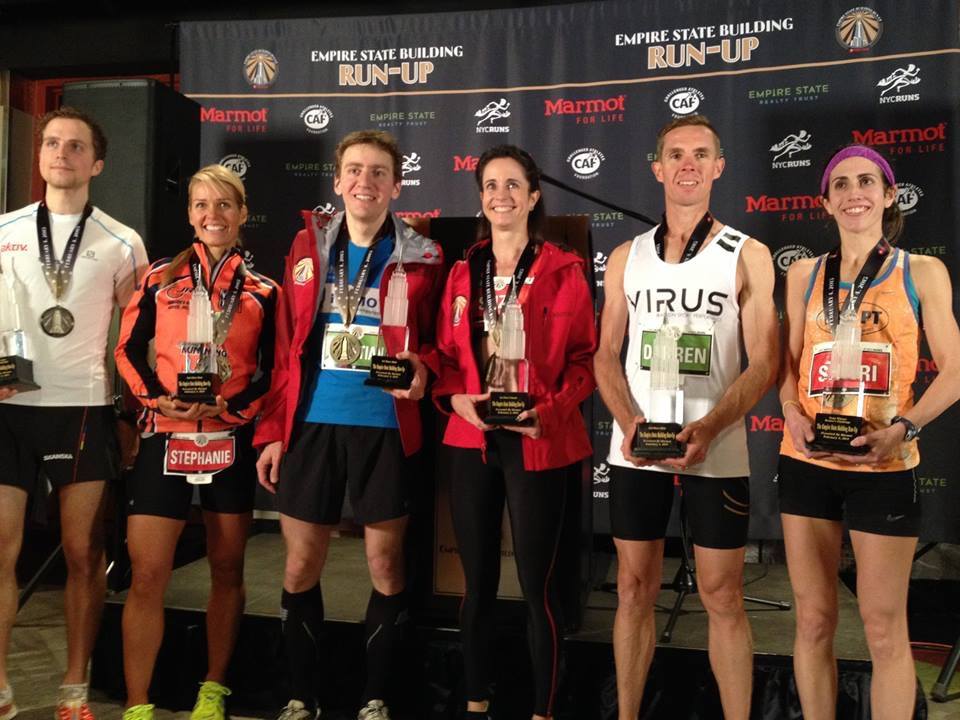
Congratulations to Christian Riedl on an amazing first win at ESBRU last night. The German held off last year’s champion Thorbjørn Ludvigsen to take the win by a very narrow margin of just three seconds. His winning time was 10:16. Australian Darren Wilson took third spot with a sub-11 minute finish. It was good to see Sproule Love take a few seconds off his 2013 time and take fourth, with Italy’s Emanuele Manzi claiming a strong fifth place, in what we think may have been his first attempt. This follows on from his recent second place finish at the Swissotel Vertical Marathon in Singapore last year, showing he may well be one to watch this season.

10945564_770301396377754_8229325624804209323_n

In the women’s race it was in many ways business as usual as reigning ESBRU and Tower Running World Cup champion Suzy Walsham demonstrated her supremacy by taking an incredible sixth title, with a winning margin of over a minute. Americans Stephanie Hucko and Shari Klarfeld completed the podium, with only five seconds separating the pair in what must have been quite a battle on the fairly narrow staircase.

Like us on Facebook for updates on results and upcoming events.

stock-london-skyline-view-of-City

Preparing for a stair climbing race can be tricky if you don’t have access to a tall building.

But even if you don’t live or work in a high-rise tower, there are still options available to get in some great, specific training.

Read on to find out some of the best places to run stairs in London.

Running stairs on the London Underground

Keep to the left!

When traveling on the tube, don’t just stand on the escalators. Get moving and pump up the left hand side two steps at a time. If you’re a regular commuter, you will certainly get some benefits from these short bursts.

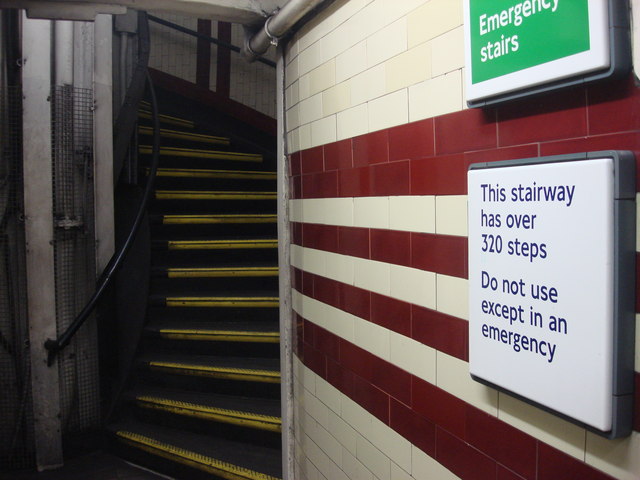
For something more substantial, you’ll want to head onto the emergency stairs at one of the stations. The popular suggestion when this comes up is to head for Covent Garden, where there are 193 steps. People often wrongly assume this is the tallest set of stairs on the Underground. It isn’t. That honour goes to Hampstead Station on the Northern Line, which boasts over 320 stairs.

Covent Garden is one of the busier stations on the network and in our opinion it’s to be avoided. Its central location is appealing, but it’s just too busy, and really the ride out to Hampstead is worth it.

There you will almost certainly have the stairs to yourself for the duration of your session, and the lift is close to the top of the steps making fairly quick intervals possible. The staff there are pretty friendly too and might even let you leave a bag in their office while you train.

Do not leave anything at all on the stairs while you are running, as it will likely be deemed a security concern and you will almost certainly be asked to move it. Pack light and run with your stuff in a back pack if you can’t (or don’t want to) leave it with the staff upstairs.

Also, be sure to bring some water, and maybe some gloves because the railings are very sooty and will leave your palms filthy.

The only downside to training on the Underground is that it can be quite difficult to get a good rhythm going on the spiral staircase. Plus there are no landing turns so you won’t be able to practice those either.

The entrance to the stairs at Hampstead tube station.

‘I’ve got a stair race to win, of course it’s an emergency!!’

For more information, check out our guide on the best Tube stations for stair running training.

Hospitals and public buildings

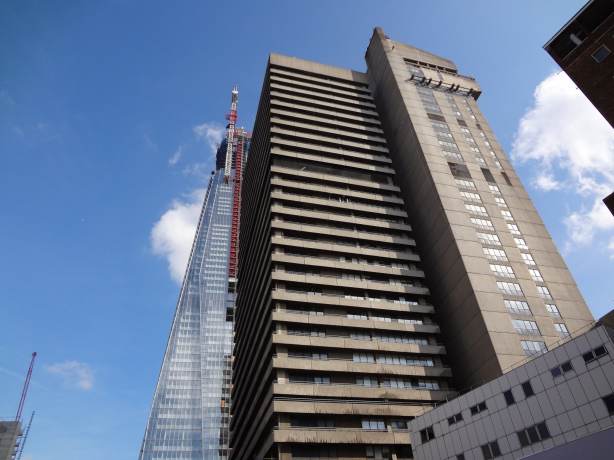
London is home to the tallest hospital in the world, which is Guy’s – with its Tower Wing being the tallest building in it.

There are 700+ stairs there to train on, and access in and out is pretty straightforward. It’s located a very short walk from London Bridge Station, just behind The Shard, and is the best option in the city for stair running.

Check out its location here.

Guys Hospital Tower Wing

The Tower Wing at Guy’s hospital offers 700+ steps of clear running

Hotels

We’re not going to name the hotels you can train at in London because we don’t want them being overrun and security being tightened so much nobody can access them.

There are hotels across the city you can walk into and get a few lengthy runs in without attracting much attention. You will have to ‘shop’ around a bit as some will have higher security than others, but training on hotel stairwells is a viable option.

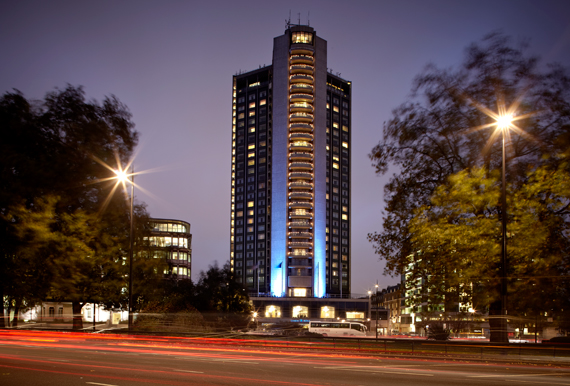
London-Hilton-Park-Lane

‘Yeah…err…i’m staying here. Yep on the top floor, that’s right.’

Offices

These are a real treasure. We have 170 steps at our office (7 floors) and with the lift right next to them it is very easy to get in a lot of stair running before or after work.

If you work in a tall office block you are flying, and should make the very most of the opportunity. If like us you work in quite a small block, you will have to be creative with your routines, but it is still definitely possible to get a great workout in with only 5 or 6 floors.

Flats

If you live in a tall block of flats you are good to go. If not then ask about on Facebook or your WhatsApp group chats to see if any of your friends will let you visit them and get in some long climbs.

If neither of those options are a possibility you can sometimes access flats early in the day using the ‘Trades’ entry button. Some flats won’t have this and instead have a security desk. We find that if you are friendly enough and explain that you are training for a charity run, they will sometimes let you in.

If you do manage to get access to a high-rise you also have the benefit of taking the lift down, which saves your legs and cuts down on training time.

Found some stairs, but not sure what to do now? Read our guide on stair climbing for beginners to find out some training tips and advice.

You may also be interested in:

Stair running is an extremely demanding activity, and so it really pays to be wearing the right gear so you’re as comfortable as possible during your race.

Dressing for a stair race doesn’t differ much from any running event, but there are a couple of things unique to the sport that are worth considering.

Read on for a quick rundown of the key clothing decisions you should be thinking about ahead of your stair race.

Clothing

A lot of this would seem to be just plain common sense but you would be surprised what some people wear during stair running events. We have seen people labouring up the stairs in hoodies, jeans and boots. While these participants would obviously not be looking to win, or even compete, their clothing choices make for an altogether more uncomfortable experience than is necessary.

Keep things light and aim for comfort. Shorts and either a vest/singlet or a technical t-shirt made from some sort of wicking material will be best. Some stairwells can be a little chilly, but once you’re a few floors into your race, and whether you are walking or running, you are going to be heating up real quickly. Less is definitely best.

Shoes

Your regular running shoes will be just fine for a stair race. If you check out photos of elite runners at events around the world, most of them tend to have on pretty standard footwear. That being said, the recent upsurge in the popularity of minimalist footwear has found its way into the tower running scene too, and quite a few runners do favour light weight, zero drop shoes such as Vibram’s Five Finger range or the Merrell Trail Glove.

Some successful runners even race barefoot, with Americans Henry Wigglesworth and Paul Curley both preferring to run unshod.

Read our full in-depth guide on what shoes to wear for a tower race for more advice.

1912497_10100342405214606_1400867316_n

Sorry, what are those things you’ve got on your feet?

Some athletes will also wear compression socks, with the aim of saving their calves a little bit in the longer climbs.

Gloves

Quite often one of the first bits of advice novice stair climbers tend to hear from ‘experts’ is to wear cycling or weightlifting gloves, or more commonly, to wear one glove depending on which way the stairs turn. The suggestion being that they will allow competitors to grip the railing better and help produce a faster time.

The fact is the vast majority of elite stair climbers do not wear gloves and it’s really just a matter of preference. For example, Piotr Lobodzinksi, the reigning men’s tower running champion doesn’t wear gloves, but, Suzy Walsham the reigning women’s tower running champion does.

A set of gloves isn’t going to make the difference between winning and losing. If you have a pair already and you feel they are working for you in your training runs, and it gives you a bit more confidence then of course wear them on the day. But there’s no need to buy a pair especially for your first stair run.

Music and headphones

In global stair races, these are often allowed and used by competitors. They are more popular in the longer stair climbs, which last upwards of nine minutes, where the blast of some of your favourite psych up tunes can really help when you’re battling fatigue.

However, for health and safety reasons, most UK race organisers will not let you bring anything at all into the stairwell, so to bring or not to bring is not even a consideration.

Like us on Facebook for updates on results and upcoming events.


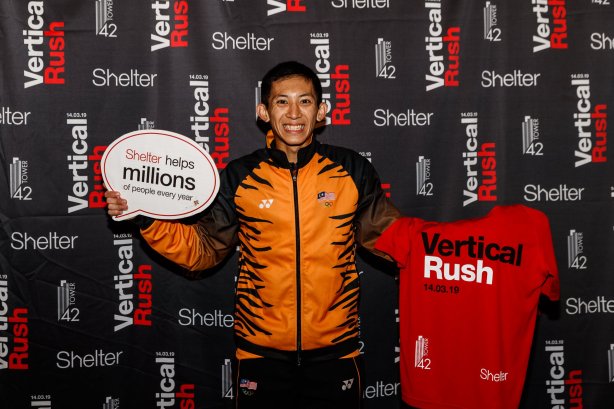
Soh Wai-Ching Vertical Rush 2019

If you haven’t put in the training you won’t be winning anything. But, fitness level aside, there are a few things to know that could give you an edge as you take part in Vertical Rush 2020.

The event, which is organised by the charity Shelter, takes place at London’s Tower 42 and is by far the most popular and well-established stair running race in the UK calendar.

In 2019 over 1,400 participants took part, and 2020 promises to be just as big, which leads us right into our first tip.

Get there early

To facilitate the large numbers of runners, the day is split into hourly waves with the first going at 8am. In 2018, Shelter introduced a night run so people set off as late as 8pm. This extended run of waves is expected to return again in 2020. From experience there is less hype and razmatazz in the morning waves, which will allow you to keep focused on the task at hand.

The later sessions have press, cameras, filmed warm-ups and more standing around in the early March cold. Plus the later you leave it the more hands pass along the railings and the greasier they get, which can cause your hand to slip as you pull yourself along. There also seems to be less people in the earlier waves, which leads into the second tip.

VR2013A0106

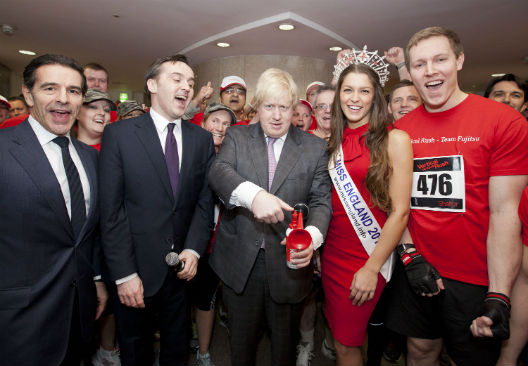
Would Boris and his horn help keep your head in the game?

Get to the front

Unlike at other races around the world, many UK races don’t have a designated ‘elite’ start. If you email in advance and express a desire to start at the front, it will be accepted, but you won’t always find there’s someone on hand to ensure you are brought to the front of your wave of runners.

This is certainly the case for Vertical Rush, where the people involved with registration are not the ones bringing you through to the start. So, the onus will be on you to get to the front of your wave.

At Vertical Rush the registration desk and bag drop are in a separate building to the stairs. You will be led a short walk outside between the two buildings and into a small basement type area with a central pillar. The entrance to the stairs is through a door on the right hand side as you walk into the ‘holding area’. Get in line at the entrance to the door immediately.

An organiser will give a brief talk and then point to the start line, after which a slight rush happens, as people queue up. If you are not in position, you will likely end up several dozen places back and be faced with the task of passing slower climbers on the way up.

Another reason to start at the front is the haphazard staggering of runners. At previous events, runners should have been spaced by a minimum of 5-10 seconds. This does not always happen, and it is not uncommon for the excitement to overcome some people and for them to just pour onto the stairs in groups.

If you are not at the very front, or at least in the first five, you will certainly lose precious seconds on the early floors as you weave past others and wait for the numbers to space out a bit.

Vertical-Rush-tower-runni-001

The madness of a mass start at one of the earlier Vertical Rush events.

Details about the stairs

Knowing a bit about the stairs in a building prior to racing can be a real help, as it allows you to visualise the event a lot clearer and keep pre-race nerves to a minimum (click through if you want more details on how to handle pre-race nerves).

The stairwell at Vertical Rush is left turning and goes up in blocks of nine steps per flight. Each floor is numbered so you can keep a check on your pacing. The hand rail running along the inside of the stairwell is flat topped, which can make gripping slightly awkward, but it does curve nicely at the landings, making turns fairly smooth.

You may also be interested in:

Like us on Facebook for updates on results and upcoming events.

New UK stair running race for 2015

Posted: January 27, 2015 in News

A new race and a brand new tower is being opened up this February for an event organised by the children’s charity Shooting Star Chase. The race takes place on Saturday 28 February 2015 at Broadgate Tower in the City of London, which contains 877 stairs. Completed in 2008, Broadgate Tower is the 12th tallest building in London and presents an exciting new challenge for the stair running community.

Online entry to the event is available here, and we would highly recommend readers sign up quickly before all of the remaining slots are taken up.

Tower Running UK recently caught up with Emma Edwards, the challenge events fundraiser for the Surrey based charity, to find out a bit more about the event. “We’re looking for 300 heroic challengers to take on the climb and help make every moment count for young people supported by Shooting Star Chase” said Edwards. “You don’t need to be the next Mo Farah to take part. In fact, most people who have signed up so far have chosen to either walk or jog the climb – whatever your fitness level you can take part!”.

Shooting Star Chase is hoping to raise £40,000 through the challenge, to help them continue the amazing work they do. Emma explained that, “Thanks to medical advances, more young people with life-limiting conditions are surviving into adulthood, and helping them move from a children’s hospice into appropriate adult services is an increasingly important part of our service.” Every pound raised will allow the charity to provide a better service to those in need.

The event is a first for Shooting Star Chase, but also a first for the tower running scene here in the UK. Though it joins The Gherkin, Tower 42 and the former ‘Heron Tower’ as City of London stair race venues, it is the first race held on the north end of Bishopsgate, giving runners a slightly different view of the city from the top. Taking place just a few days before Vertical Rush, some brave runners might fancy doubling up on both events for a ‘hardcore’ experience totaling 1,847 steps.

Anyone with any questions about the event, or the charity, is encouraged to contact Emma Edwards at Emma.Edwards@shootingstarchase.org.uk.

Mark Sims is likely the most successful British stair runner ever. He has chalked up wins at The Gherkin, Spinnaker Tower, The Great Yorkshire Stair Climb (Bridgewater Place, Leeds), Beetham Tower (Manchester), and was winner at The Royal Liver Building (Liverpool) nine years in a row. He has also had success abroad, finishing eighth at the Empire State Building Run Up, which is one of the showcase events on the stair running calendar. That top ten finish in among the world’s elite runners is arguably his most impressive performance.

During the build up to this year’s Towerrunning World Cup Final in Vienna, Mark kindly took some time out to answer a few questions about how he prepares for a race, what tips he’d give to a novice climber and what world tower he’d really like to run up.

mark sims10710718_10152736144428771_515644830187040573_n

What does a typical week of training look like for you as you prepare for a stair race?

I’m fortunate enough to be able to use the stairs where I work after 5:30pm so depending on family commitments I will try and train on them 2 to 3 times a week. I’ll do 3 to 4 timed ascents of differing lengths (either to target my speed or endurance), and to increase the intensity I use leg weights.

Away from the stairs I do some strengthening exercises, mostly squats of between 200-400 reps, as well as calf raises and sit-ups. I’ve also been trying to add a bit more endurance running by doing my local Park Run (5km) of a Saturday morning

Alongside this I’m cycling five days a week to and from work which exercises similar muscles.

What sort of technique do you use on the railings?

Depending on the width of the stairwell I’ll either use both sides or just the inside rail. I’m mostly using it to take some of the weight off the legs and also to help give me some kind of rhythm/pattern.

What key tips would you give to a novice stair climber preparing for their first race?

Know what you are up against. So have an idea of how long it will take you to cover the number of steps you are racing over. This will then allow you to focus your training better. I’d also want to tell them that during the race it may hurt on the way up, but the feeling that you get when you’ve finished is well worth it, and as they say, the pain is only temporary.

What race would you really like to do? or what global tower would you really like to run up?

The Torch in Doha, Qatar has held a race since 2012 and for March 2015 it will be the location of the world championships – I’d really enjoy being part of that.

What are your favourite and least favourite aspects of stair running?

I believe that if you make the training as hard as possible then the racing will be easier, so my favourite aspect would be the racing and the views you get from the top, and least favourite is pushing yourself in training.

Do you have any pre-races rituals?

None, but as a Christian I do like to pray before I race.

How do you tend to pace yourself during a race?

This made me laugh when I thought about it as if I were being brutally honest my answer would have to be badly, as my pace definitely slows the further I am into a race. However the plan is always to start off at a steady pace and get into a good rhythm and then push myself as hard as possible for the last quarter of the race.

What are the key qualities needed to succeed in stair climbing, and how can they be developed?

From a purely athletic point of view you need to be strong both physically and mentally, and the best way to develop these is practice. However, I’ve seen a vast range of people competing in stair running events for various reasons and success can be measured in so many different ways.

Like us on Facebook for updates on results and upcoming events.

Image

Kristin Frey is a vegan endurance athlete and elite stair runner from Illinois who came third in the 2013 Tower Running World Cup standings. She started her athletic career as a marathoner before transitioning into tower running in the 2010 season. She immediately began clocking up wins and has maintained her position among the world’s best stair runners for the last few years. She also has three top ten finishes in the Empire State Building Run Up (2011-2013), one of the classic events of the stair running calendar.

Last year, in the lead up to the NSPCC Gherkin Challenge, Tower Running UK got in touch with Kristin in order to get some insight into how the best tower runners train for an event. Kristin was very generous with her time and provided some great information about how she trains and her favoured techniques while powering up the stairs.

1. How do you pace yourself during a race?
“I usually try to start off conservative, or on the slower side, and pace myself during a climb. I will usually check my watch every 10-20 floors to see what kind of pace I’m on and I pick a “go-floor” where I tell myself to pick up the pace so I can finish strong.  I’m never actually running up the steps, some of the other top climbers can get away with that, but I usually take two steps at a time and its a quick walk.”

2. What sort of rail grip/technique do you use?
“I usually use the rail like a rope, so I’m pulling myself hand over hand.  I find that to be best for me.  Other climbers may use both rails if the stairwell is narrow enough and some of the top climbers may run up the steps barely touching the rail, but I prefer to stick to the inside rail.”

3. Could you give us an insight into your training regimen, e.g. sets, length of intervals, pace, alternating two step and one step runs?
My favourite training building is 20 floors, it takes me about 2:30-3:00 to climb depending on my pace.  Sometimes I will do 5 climbs using my normal technique and a fast pace, my rest will be the elevator ride down (usually about 3:00).  I will also do 5-10 floor sprints where I’m running steps. Whenever I’m doing a standard climb workout, I will always take two steps.

When I’m sprinting I will vary between one step running and two steps.  For sprints, I may do 5-10 floors then rest 1:00 then go again.  Maybe do 5-6 sprints. For cross training I do a lot of spinning and will also run on the treadmill with the incline set to 11-15%.  You could do intervals that will last the duration of your race, so 5:00 intervals if you think it’ll take you 5:00 to climb, etc.”

4. What one crucial tip would you give to a novice (but fit) stair runner to help them achieve a good time?
“I think the main thing is getting in some training in the stairwell so your familiar with it, and you can work on some technique.  Your heart rate will be high almost immediately and you’ll be breathing hard so start off conservative. Most people will start off too fast and then get tired after 5-10 floors!  It’s better to have extra energy and to pick up your pace along the way instead of crawling to the top”

If you can adapt some of these tips to your training schedule and be mindful of Kristin’s tip to pace yourself properly on race day, you stand a good chance of clocking a competitive time.

Tower Running UK would like to extend a massive thank you to Kristin Frey for her help and wishes her the best for the 2014 season, where she is planning to put most of her focus on ultramarathons. You can follow her progress at her blog: http://kristinfrey.blogspot.co.uk/

Like us on Facebook for updates on results and upcoming events.

A short insight into the thinking and training of competitive stair runner PJ Glassey. PJ runs Seattle’s X-Gym, which helped forge a lot of the leading climbers in the USA.

“You have to have a screw loose to do tower running, and to be competitive you have to have a couple screws loose”

Video  —  Posted: January 2, 2014 in Training
Tags: , , ,

At the competitive level stair running success is mostly mental. After that the lungs are most important, followed by the legs, core and arms. Making sure you have trained all those elements well will go a long way to helping you achieve a good time.

Over the next few weeks we will be looking at these five aspects in more detail, and pointing you in the right direction so you can start to build strength in each area. For now we will touch upon them briefly to give you an idea of the direction you want to be heading in.

Arms: Just as with flat-level running, the arms are a vital tool in stair climbing. This may be in the form of pumping back and forth to drive you up each flight of stairs hands free or more likely it will be through using the banisters as an aid to your climb. We will have more on using the banisters to help you climb soon, but it’s generally used like a rope to help pull you up the stairs during the climb. To build the necessary strength and endurance in the biceps and latissimus dorsi (the muscles on each side of your back), you will want to work on rowing type moves. This can be done on a rowing machine, pulley rack, or seated rower in the gym.

Core: There are loads of exercises to choose from to target this area of the body and it’s really a case of taking your pick. The classic crunch is a good one to start with, but we will point towards some more advanced techniques in upcoming posts.

Legs: These get overloaded pretty early on in a stair race so it’s vital to have a good base of muscular endurance in them to ensure you stay strong right onto the higher floors. Squats and lunges (both can be done with or without weights depending on your existing fitness level) are the key exercises for great leg development.

Lungs: Assuming you have a solid base of cardiovascular fitness, we would recommend you begin incorporating some High Intensity Interval Training (HIIT) into your schedule to get used to pushing your heart and lungs hard. Tabata is one of the most popular forms of this type of training and we recommend you try it on an upright bike, rower or inclined treadmill for best results.

Mental: Your mind will always tell you to quit, stop or slow down before your body is really ready to. When the lactic acid burn really takes hold you will want to stop, but it’s vital you don’t. Pushing yourself past this point in training is a great way of building up the mental strength to handle pain during the event itself. If you want to be competitive then this is the element that will separate you from the rest.

Like us on Facebook for updates on results and upcoming events.