Posts Tagged ‘Fabio Ruga’

The Empire State Building Run-Up is just a few days away. Here’s a rundown of the men on the start list for the 44th edition of the event.

Wai Ching Soh (Malaysia)
Soh Wai Ching wins the Empire State Building Run Up 2021

The reigning champ is back to defend the title he won last year with a 10:46 finish. He’s spent the last week warming up with wins at the US Bank Tower in LA and the Space Needle in Seattle, while the earlier part of the year has also been full of victories and new course records at events in Europe, Asia and the USA. Far and away the most active tower runner in this line up, so anything other than a faster win than last year will be a big upset.

Ryoji Watanabe (Japan)
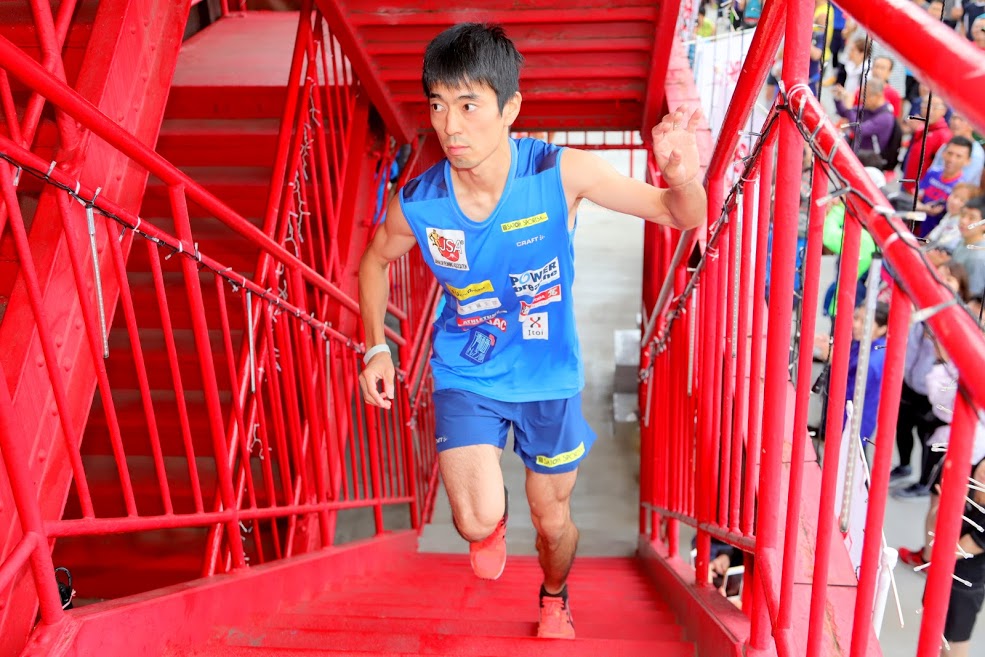
Ryoji Watanabe at Tokyo Tower race 2018

Third in the Vertical World Circuit in 2019, Watanabe is making his debut at the ESBRU. Throughout the VWC he showed himself capable of getting reasonably close to two former ESBRU champions Piotr Lobodzinski and Mark Bourne, so should give a good account of himself.

The last time Soh and Watanabe squared off in the same event was at the 3,398-step Shanghai Tower International Vertical Marathon in November 2019. The Malaysian finished 28 seconds – and one position – ahead of Watanabe in that event to take fifth. Both men have made significant improvements since then, with Watanabe chalking up numerous wins in Japan this year. This really is the clash of the night. Watanabe is well fired up, telling Soh in an Instagram exchange earlier in the week, ‘I’ve been waiting for the day to fight you again!’. Here’s hoping for a close race.

Fabio Ruga (Italy)
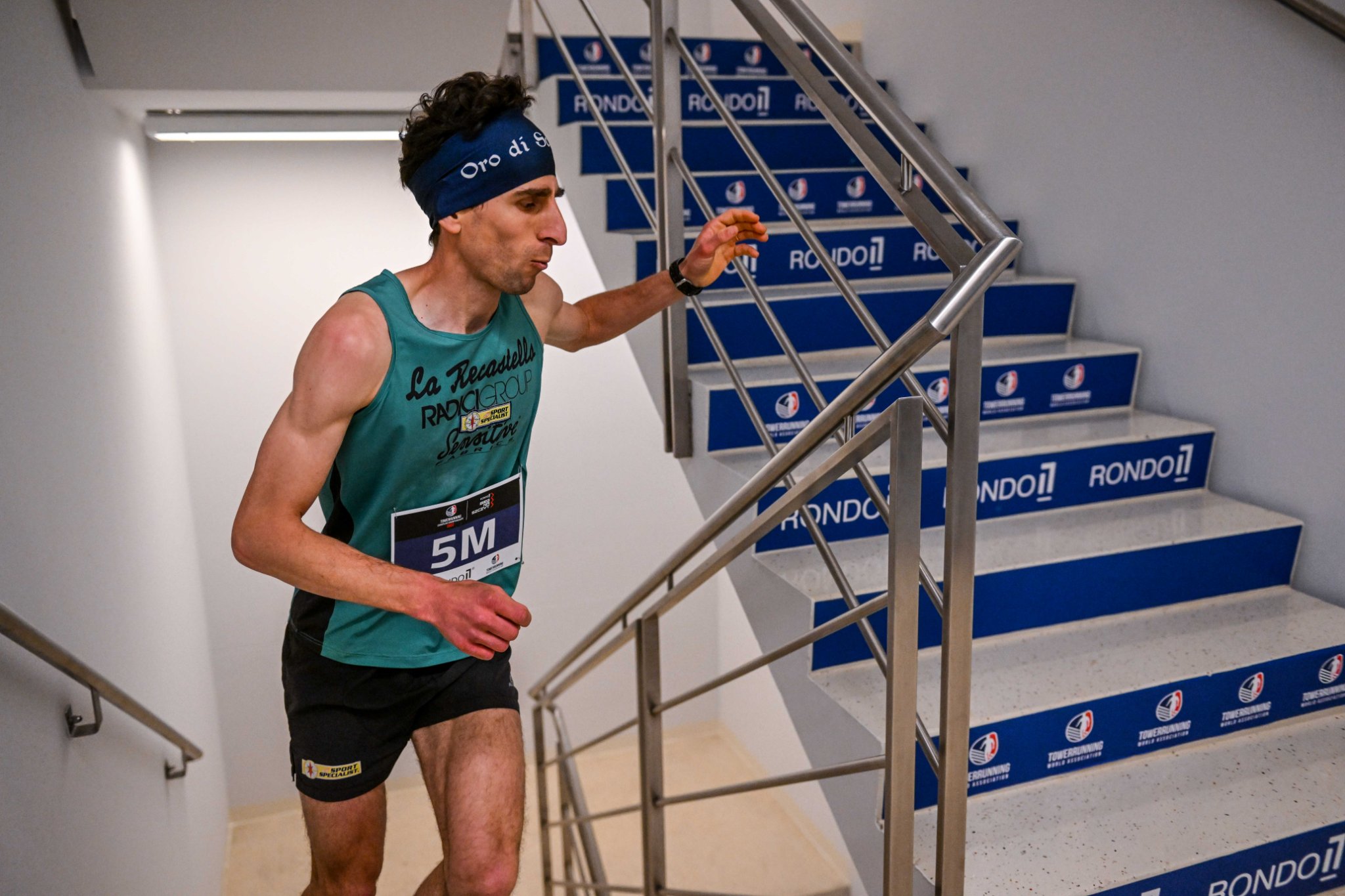
The Italian won the European Tower Running Championship in Poland earlier this year and will be making his fourth ESBRU appearance (if he makes it to the start line – TBC). Ruga’s best time at the Empire State Building is the 11:18 that earned him third in 2019, when he was just four seconds behind Wai Ching Soh. He’ll almost certainly need a sub 11-minute finish to win. Although constantly racing in the mountains, Ruga hasn’t had many outings in 1,000+ step buildings lately and that stairwell rust is probably going to have an impact. Hope to see him back on the podium but top spot might be a stretch.

Sproule Love (USA)

One of the all-time great American stair climbers, Love made his debut at the ESBRU all the way back in 1999. He’s been on the podium in New York a number of times over the years, most recently finishing third in 2018. His times at the ESBRU have varied quite a lot recently, ranging from a blistering 11.15 in 2016 to a 12.35 last year that was good enough to earn him fourth.

If he can bring back that sub 12-minute form this year, we might see an American on the podium again. But keeping up with the top visiting international athletes all the way to the 86th floor will be a tall order for The Ghost. Chance of a top five finish again for Love this year we reckon, but he’ll have to be on top of his game to ensure he holds off enough of the European challengers.

Görge Heimann (Germany)
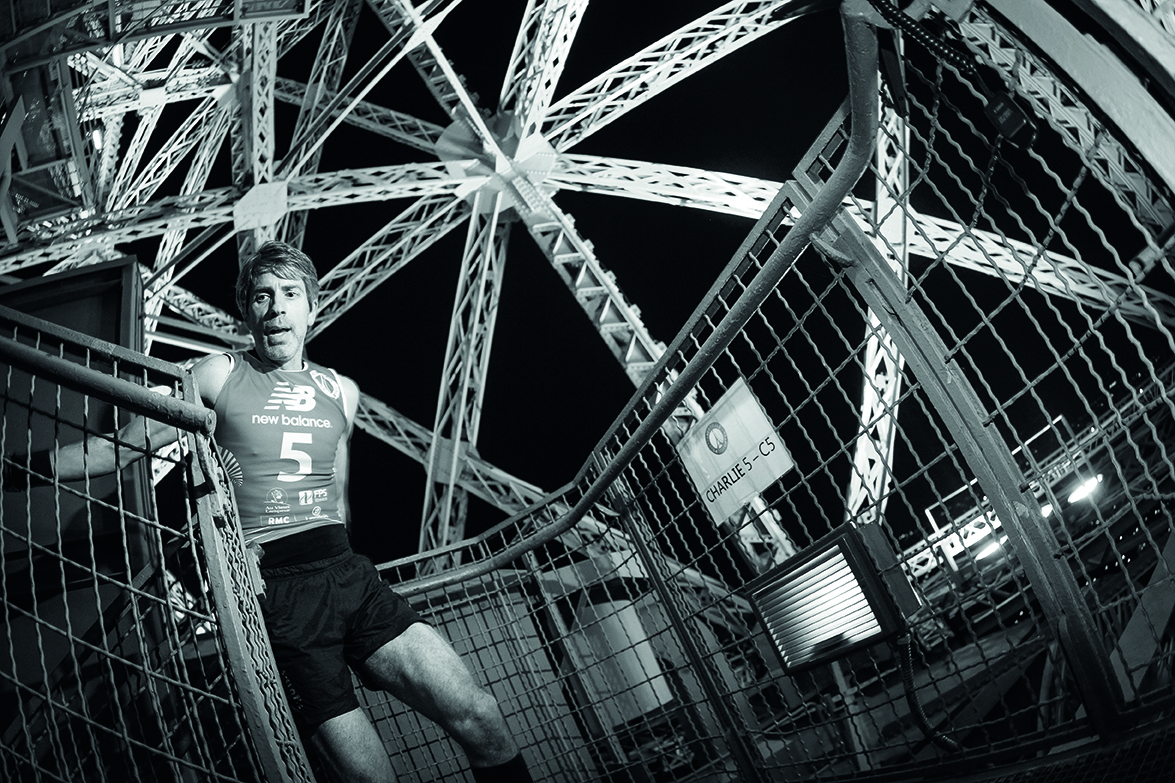
Heimann made his one and only ESBRU appearance back in 2016, where he clocked a very respectable 12:20 to finish sixth. He won the German Tower Running Cup this year so is evidently in good shape. Imagine he’ll be hoping to finish around the lower 12-minute mark again this time and fingers crossed he manages it and it’s enough for another top-six finish.

Omar Bekkali (Belgium)
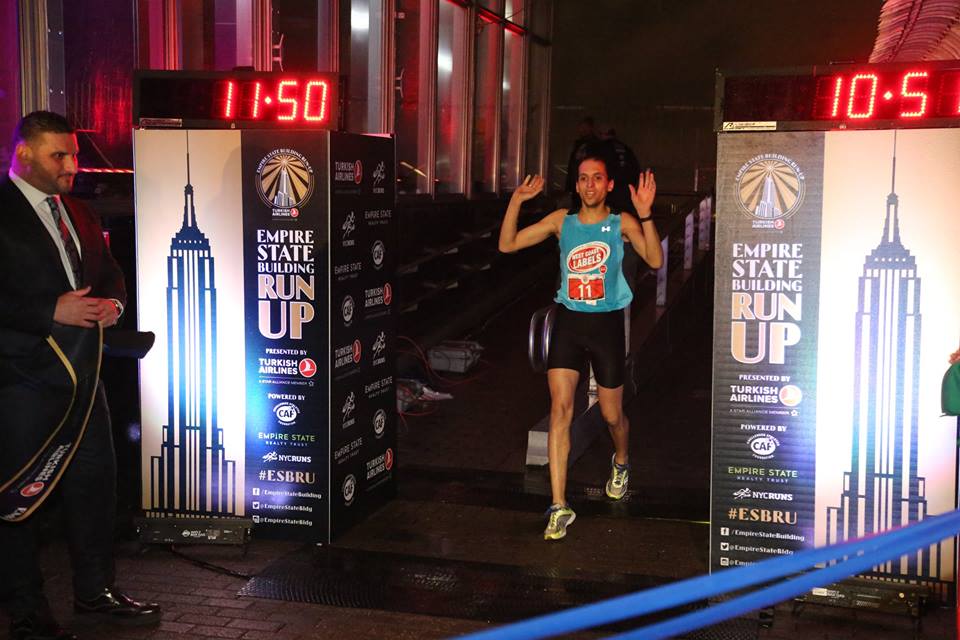
The Belgian policeman has raced three times at the ESBRU and has a PB of 11:53, which earned him second place in 2018 behind Frank Nicolas Carreno. He was a bit slower in 2019 (fifth in 12:12) and then couldn’t make the 2020 race. Highly active in years gone by, but has been largely absent from the scene this year. Not had his attendance confirmed, but if he does race it will be a case of wait and see what sort of shape he’s in once the race is over. Would be good to see some Euro athletes in the top five, so we’ll have fingers crossed Bekkali comes in fit.

David Roeske (USA)
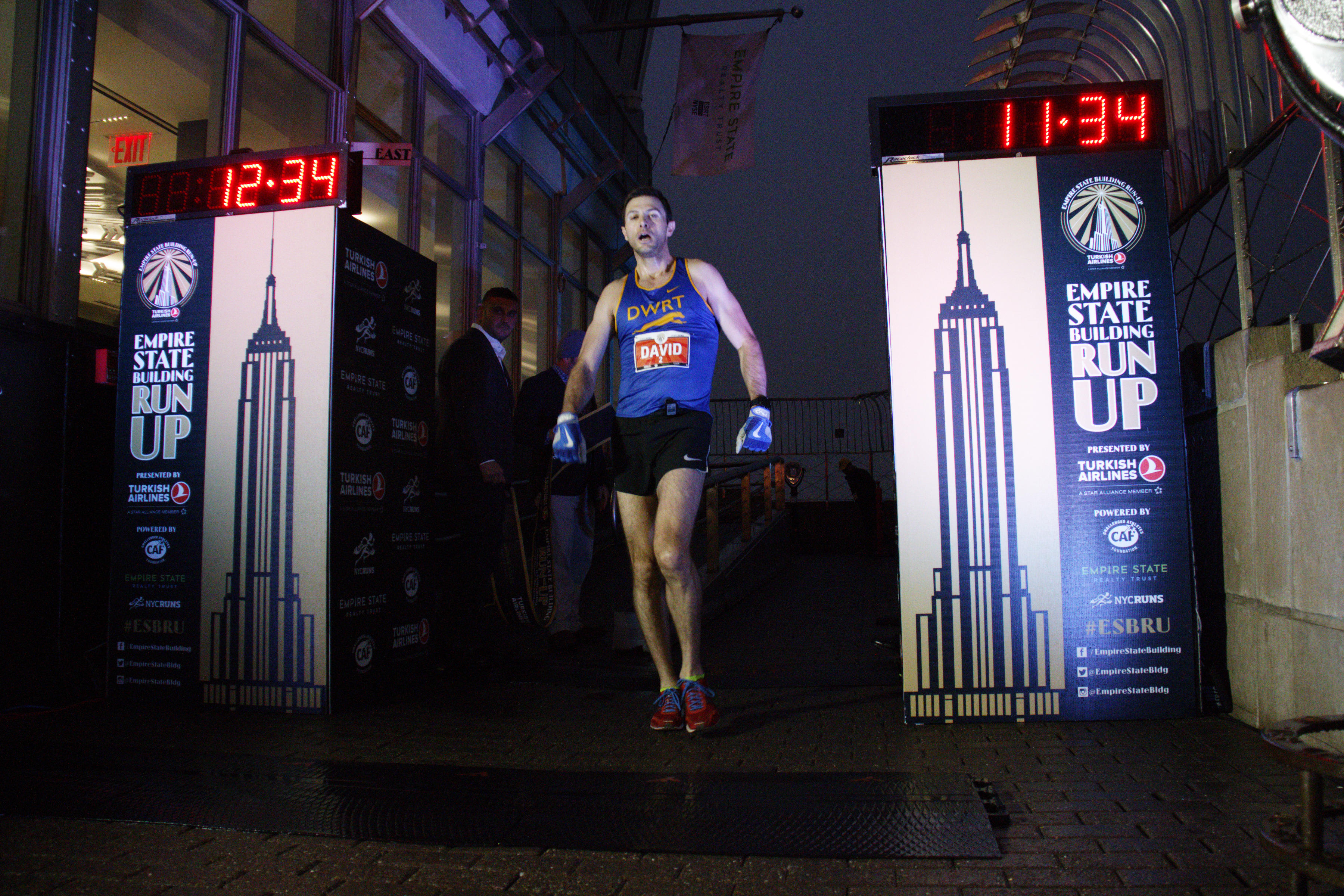
Roeske has made six ESBRU appearances, debuting in 2015. His time each year has hovered around the 12 and a half minute mark, although last year he clocked a slightly slower 12:44 to take fifth. If everyone on the start list turns up, that sort of time probably won’t be fast enough to earn fifth again.

Best of the rest

Troy Alston – a spread of wins in the US saw Alston surge to third in the world rankings earlier this year. Highly accomplished at sprint and long-distance climbs, he’ll be looking to make an impact on his second ESBRU appearance. He clocked 13:03 on his debut back in 2016.

Josh Duncan – the 2018 USA Stair Climbing Champion is well familiar with the 1,576 steps of the Empire State Building. He ran 13.31 at the 2019 event but an understandably slower 14:21 last year.

Mark Ewell – another successful American tower runner, with a good 13.26 PB at the ESBRU.

Mark Henderson – finished in an impressive 12.52 in 2019 and will surely be happy to chop any time off that this year.

Cole Hetzel – he’ll be the youngest man in the lobby of the Empire State Building but definitely one to watch. He debuted at the ESBRU last year after bagging a lottery entry and finished in 14:37. He subsequently went on to win Bop to Top in Indianapolis in January and then came second (third overall, with Wai Ching Soh winning the race) at the USA Stairclimbing Champs at Scale the Strat, Las Vegas a few weeks later. He’ll be looking to clock something much faster than last year’s time.

Josh Jackett – making his long overdue ESBRU debut this year, Jackett is the man behind the excellent Stair Life, the leading website for all things stair climbing related in the USA. A handy tower runner himself, he’s had a win and podium finish this year. No idea how he’ll fair in NYC, but hoping he has a great race.

Jason Larson – a strong athlete with tons of stair racing experience and wins around the States. Has dipped under the 13 minute mark a couple of times at the ESBRU and will be looking for more of the same tonight.

Stephen Marsalese – The Beast from the East made his ESBRU debut way back in 1996 and has clocked up 25 appearances in total. He’ll be looking to chop some time off the 14:40 he posted last year and get his finishing time back down closer to 14:00. He’ll no doubt be bolstered by the win he secured at the Corning Tower in Albany, NY last month.

Martin Pederson – the Danish athlete had to skip the Elite race last year due to travel restrictions. This year his Elite invite was pulled but he’s bagged a place in the Open. If he doesn’t get bumped up to the Elite wave, hopefully he’ll get a clear run in the Open. He clocked 13:11 in his debut in 2019, but admits to not being as good shape this year so will probably be very happy with a sub 14-minute finish.
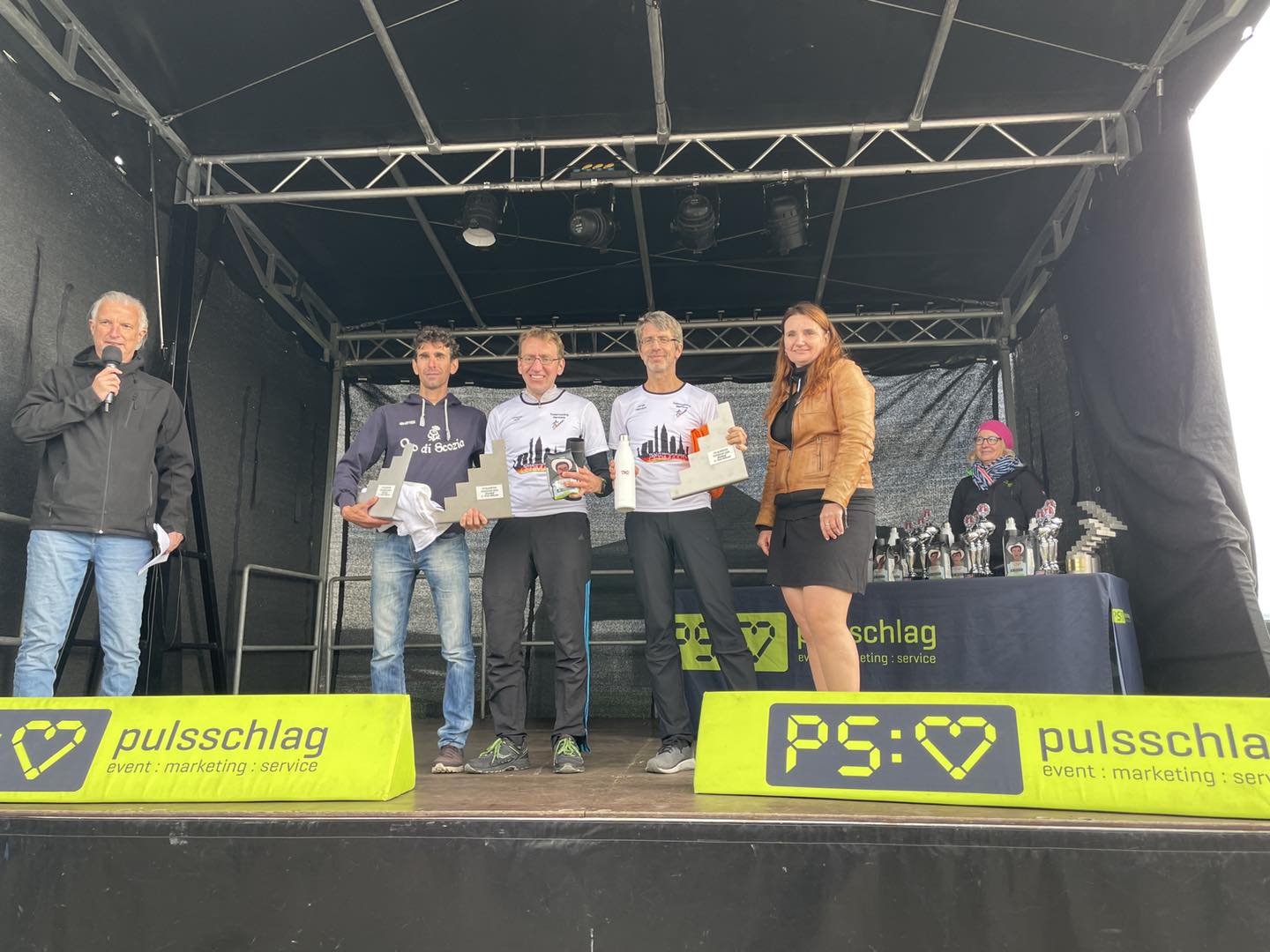
Christian Riedl held off the challenge from Italy’s Fabio Ruga to win the TK Elevator Tower Run on Sunday.

German Riedl, who won the inaugural event in 2018, climbed the 1,390 steps of the ThyssenKrupp Tower in Rottweil, Germany in 7:32.

2019 winner, and current European Towerrunning champion, Ruga clocked 7:40, with Gorge Heimann (GER) taking third spot in 7:50.

Both Riedl and Ruga were well off their personal bests of 6:56 and 6:57, respectively. But Riedl will be happy to have taken the win ahead of the man who finished ahead of him at the European Towerrunning Championship back in May.

In the women’s division, Verena Schmitz made it three wins from three starts at the TK Elevator Tower Run. Her 9:26 finish left her well clear of Monica Carl (9:43) and Bettina Hussak (9:50).

European Champion Ruga will next be in action at the Empire State Building Run-Up on 6 October.

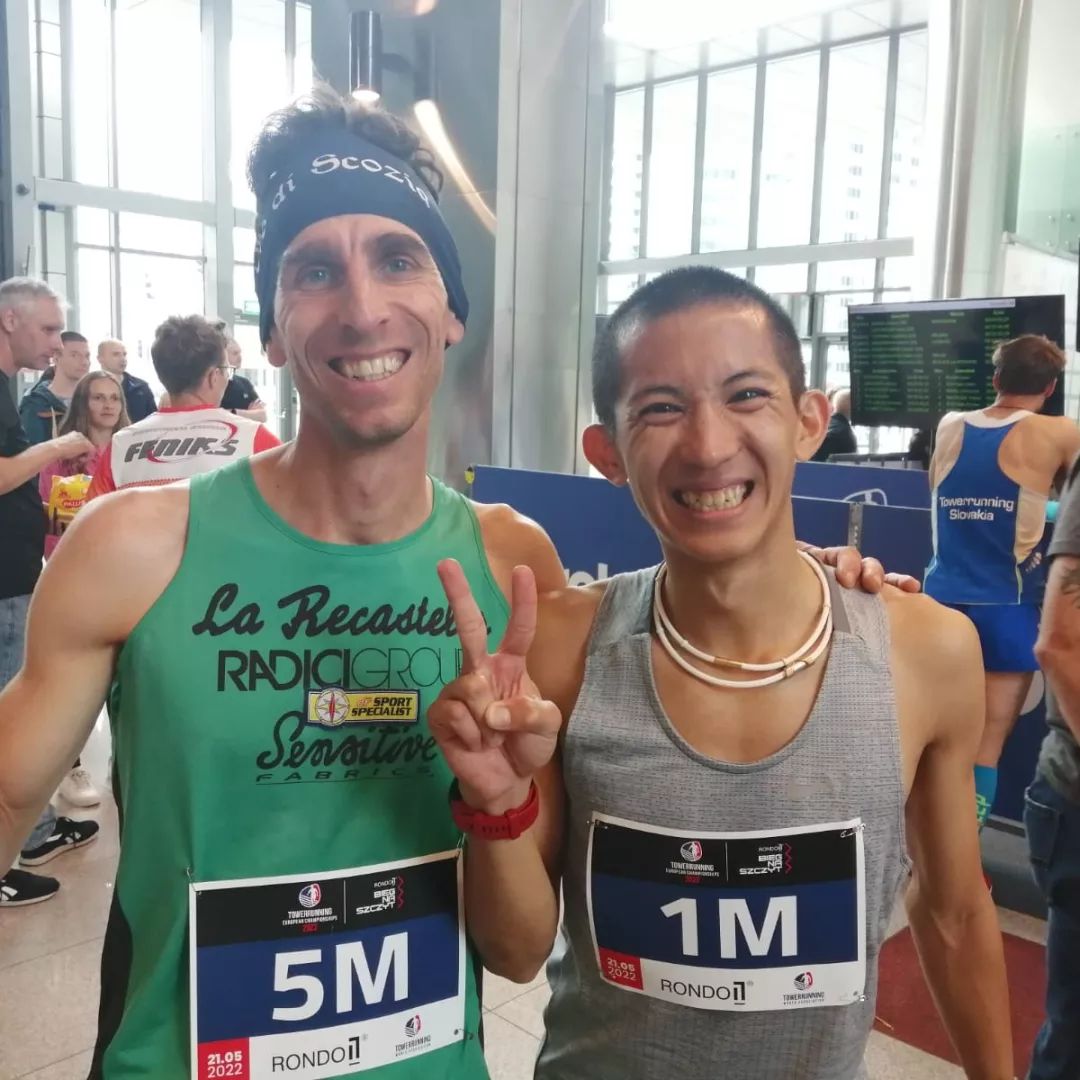
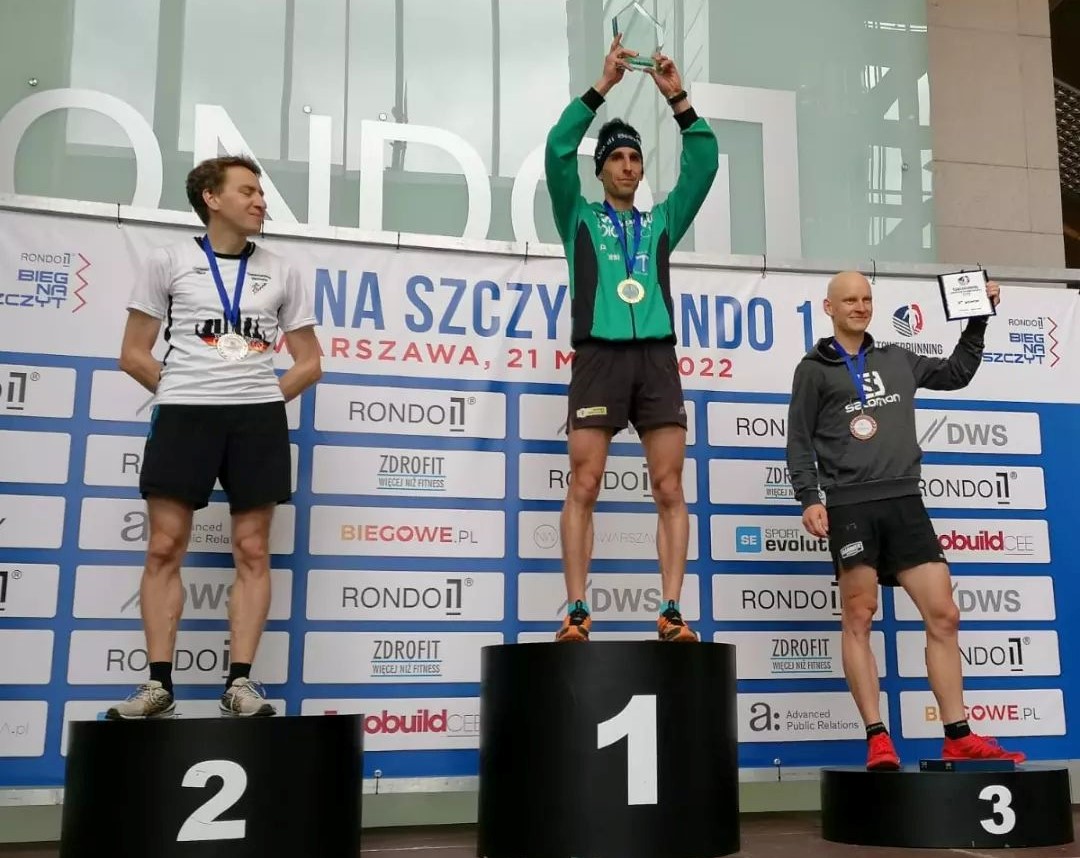
Italy’s Fabio Ruga raced to gold at the European Tower Running Championship in Warsaw, Poland on Saturday.

Ruga clocked 3:41.8 in the first of his two runs up the 38-floor Rondo 1 building in the Polish capital [the two times were combined to determine the fastest athlete]. This was enough to put him ahead of all other European athletes, and just a split second slower than the international guest Soh Wai Ching from Malaysia.

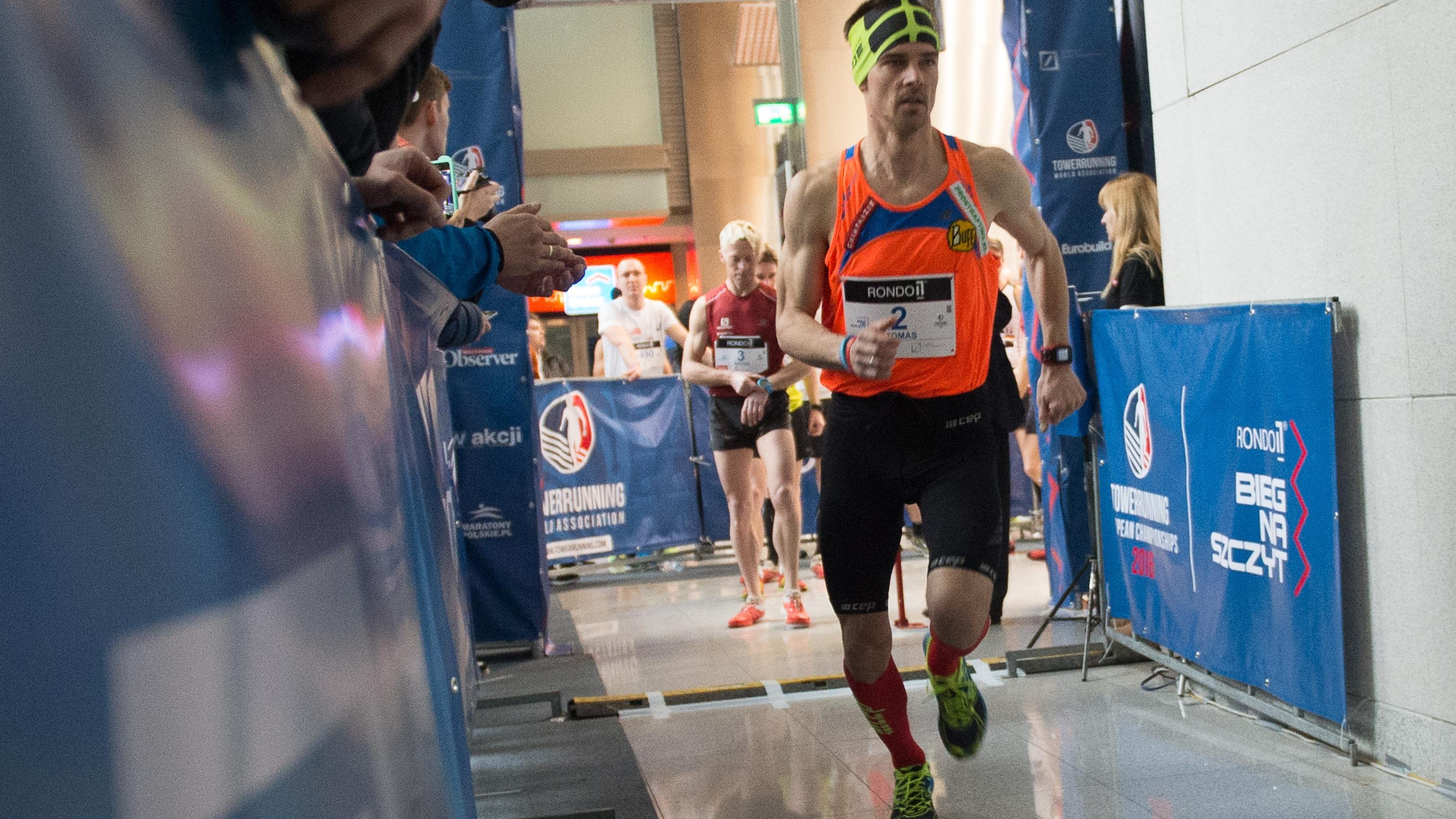
Defending champion Christian Riedl’s (GER) first-round run of 3:49 was the next quickest, with Jakob Mayer (AUT) and Tomas Macecek (CZE) the only other athletes to go sub four-minutes in the first round with times of 3:50.6 and 3:55.8, respectively.

After just 10 minutes rest, athletes set off on their second runs, and it was here that Ruga set himself apart from the field.

His 3:50.7 was the fastest in the second round and enough to secure him the title of European champion.

Christian Riedl maintained his second-place position with 3:52.13 in the second round, while Tomas Macecek leaped ahead of Jakob Mayer to secure third place on the podium.

Laurence Ball was the highest ranked British runner, finishing 12th.

European Tower Running Champion Fabio Ruga with Malaysia’s Soh Wai Ching
Over a decade at the top

The 40-year old Italian’s win was a brilliant demonstration of his remarkable longevity, coming 14 years after his tower running debut and 10 years after his last win at Rondo 1 back in 2012.

Ruga’s winning time that year was 3:39.53, so to get so close to that time again a decade on is an impressive achievement.

The Italian mountain runner obviously likes the course in Poland, as in 2016 he finished third at the European Tower Running Championship, which was also held at Rondo 1.

Full results of the European Tower Running Championship

You might also be interested in:

The European Tower Running Championship takes place tomorrow (21 May) at the Rondo 1 tower in Warsaw, Poland.

It’s the fourth edition of the championship and 2016 champions Christian Riedl and Anna Ficner are both returning to defend their titles.

The Championship format involves two runs up the 38 floors of Rondo 1, in a time-trial format. The athlete with the fastest combined time will win.

The who’s who of European tower running will be in attendance, but disappointingly the anticipated return of Piotr Lobodzinski will no longer happen, after the Polish athlete had to withdraw due to injury.

Men’s Elite

Görge Heimann (Germany)
Fabio Ruga (Italy)
Stefan Stefina (Slovakia)
Jakob Mayer (Austria)
Christian Riedl (Germany)
Tomáš Maceček (Czech Republic)
Tomas Celko (Slovakia)
Sebastien De Castro (France)
Daniel Koszykowski (Poland)
Krzysztof Gawlas (Poland)
Gerko Floor (Netherlands)
Pawel Ruszala (Poland)
Lukáš Mlýnek (Czech Republic)
Siegfried Flor (Germany)
David Leitheiser (Germany)
Mateusz Marunowski (Poland)
Kacper Mrowiec (Poland)
Matthias Gall (Germany)
Marlo Post (Netherlands)
Andreas Fruhmann (Germany)
Pavel Holec (Czech Republic)
Pawel Zakowicz (Poland)
Lars Migge (Germany)
Rauno Tiits (Estonia)
Božidar Deodat Krešić (Croatia)
Adrian Hebda (Poland)
Jindrich Schick (Czech Republic)
Nishad Manerikar (UK)
Roberto Toffano (Italy)
Irakli Chubinashvili (Georgia)
Wai Ching Soh (Malaysia)

Women’s Elite

Iwona Wicha (Poland)
Piret Põldsaar (Estonia)
Verena Schmitz (Germany)
Kamila Chomaničová (Slovakia)
Adéla Voráčková (Czech Republic)
Dominika Stelmach (Poland)
Anna Ficner (Poland)
Anna Żółtak (Poland)
Alessandra Valgoi (Italy)
Anzhela Fibikh (Russia)
Iwona Januszyk (Poland)
Chiara Cristoni (Italy)

Follow the live results of the European Towerrunning Championship 2022

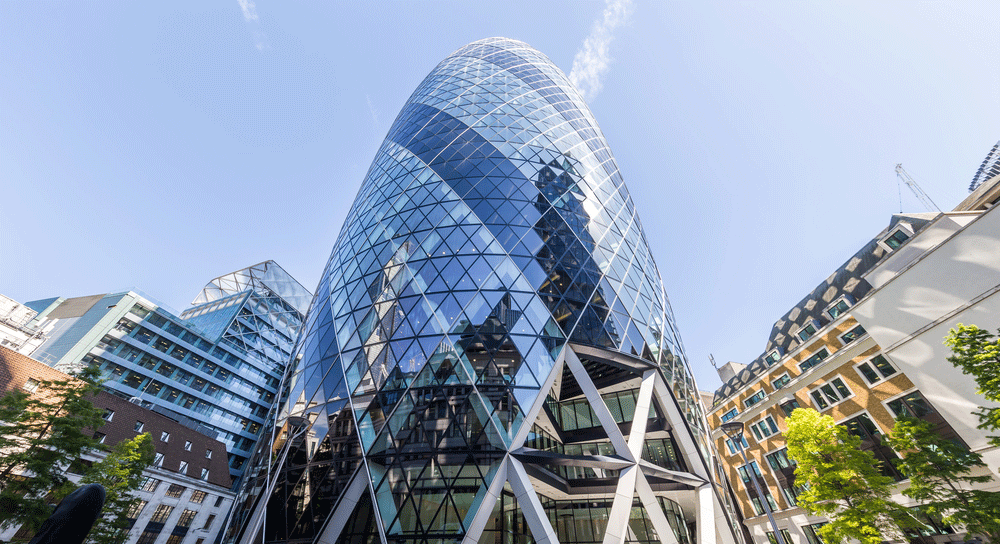
For over a decade the NSPCC Gherkin Challenge has been one of the most popular stair races in the UK. We take a look back at the first edition of the event in 2010.

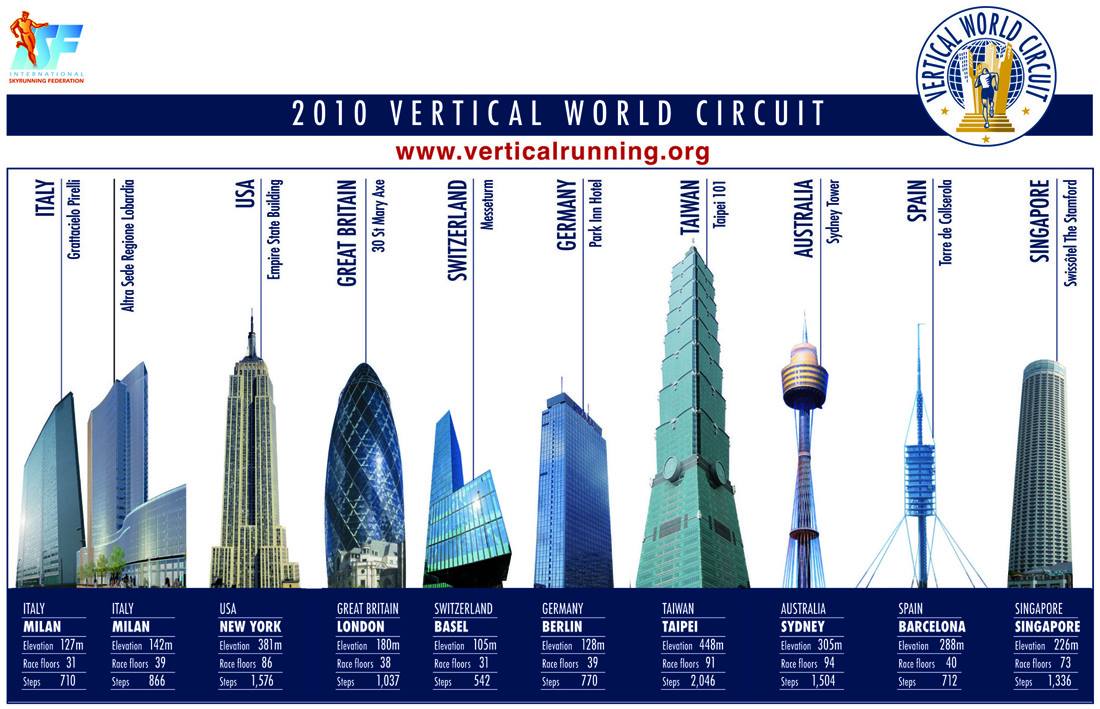
Back then, the event (then known as NSPCC Step Change) was part of the newly established Vertical World Circuit (VWC) and attracted a spread of top international athletes.

In the women’s division, New Zealand mountain runner Anna Frost was there alongside Italy’s Daniela Vassalli and Cristina Bonacina.

The trio had been among a stellar field of tower runners that had battled it out in a double run in Milan two weeks before, in the first event of the VWC 2010.

Vassalli (winner of the inaugural Vertical World Circuit in 2009) had won that event in Milan, with Frost taking second.

In this new event in London, two runners were being set off at the same time every 30 seconds. Vassalli and Frost were paired together, so it was set to be a genuine side-by-side battle up the unique-looking tower’s 1,037 steps for top points

In the men’s event, Italians Marco De Gasperi and Fabio Ruga were the pre-race favourites and they too were paired together.

Ruga had already picked up points on the VWC, having finished second behind Thomas Dold in Milan a fortnight before. De Gasperi had yet to race in the series. It was guaranteed to be a close battle.

Other well-known tower runners in attendance included Spain’s Ignacio Cardona and Dario Fracassi from Italy.

Watch the video below (click here if embed not showing) to see Daniela Vassalli warming up (0:18), an interview with Anna Frost (0:30), De Gasperi and Ruga setting off (1:38), Vassalli and Frost starting (1:51), Fabio Ruga finishing (2:50), Vassalli finishing (2:58), Cristina Bonacina finishing (3:21) and Ignacio Cardona on the floor at the finish (4:06).

Fabio Ruga won that day, setting the fantastic course record of 4:07 that still stands. De Gasperi finished just four seconds behind his compatriot in 4:11. Ignacio Cardona was third in 4:18.

In the women’s race it was Daniela Vassalli who took top spot with a 5:42 finish. Anna Frost (who would go on to win Vertical Rush in London just over two weeks later) was just six seconds back in 5:48, while Rachael Orr (GBR) finished third in 6:13.

You might also be interested in:


NSPCC Gherkin Challenge winners final

C6fEkU0WcAAP4Vg

Italy has produced a set of fantastic tower runners and Fabio Ruga is one of the very best.

Italian tower runners have been topping podiums around the world for close to 15 years. Bellotti, Bonacina, De Gasperi and Manzi have all won big races against top rivals.

With a background in mountain running, Fabio Ruga made his tower running debut in Milan in 2008.

Over the past 10 years, he’s raced against, and often beat, some of the top tower runners of this generation, including stars such as Thomas Dold and Christian Riedl.

Fabio Ruga

Fabio Ruga finishes one step behind Marco De Gasperi at the Pirelli Tower in 2009

UK tower running fans should be well familiar with the Italian. The course record of 4:07 he set at the Gherkin in 2010 still stands. A year later he won Vertical Rush. Since then he’s been on the podium at Tower 42 a number of times, clocking a brilliant personal best of 4:11 in 2012.

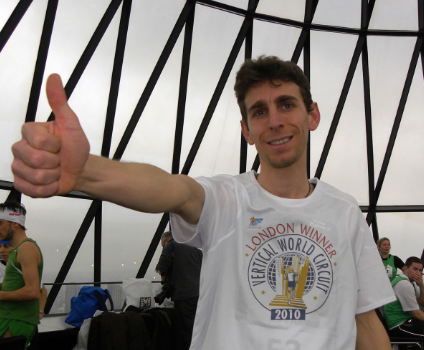
Ruga Gherkin winner 2010

Ruga celebrates at the top of the Gherkin, after setting the course record in 2010

The indomitable Ruga is still winning races. His most recent victories (back in 2019) include the fourth leg of the Vertical World Circuit at Tour First in Paris, where he beat Omar Bekkali and Emanuele Manzi, and the Thyssenkrupp Tower Run in Rottweil, Germany, where he finished ahead of top Germans, Christian Riedl and Görge Heimann.

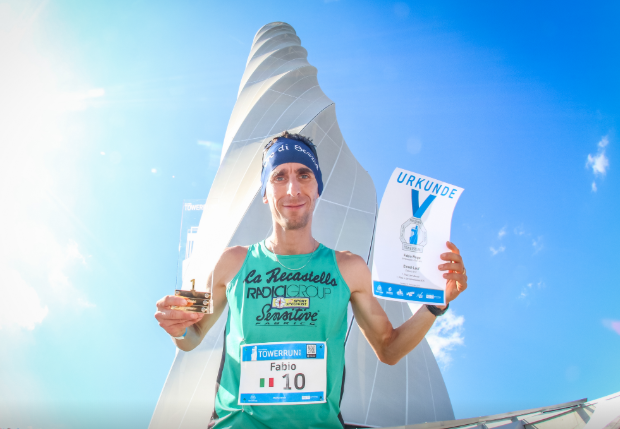
Fabio Ruga 2019

Fabio Ruga celebrates winning the Thyssenkrupp Tower Run, September 2019

Other notable performances include third-place finishes at the Empire State Building Run-Up and the Allianz Vertical Run in Milan in 2019.

The Italian star caught up with publication La Repubblica to discuss his win in Rottweil, plus how he got into stair running and what his real passion is. Click the link below for the full article.

La Repubblica interview with Fabio Ruga

He also gave another interesting interview to Atletica Pidaggia 15●28, in which he explains why he came back to tower running after some time away.

Atletica Pidaggia 15●28 interview with Fabio Ruga

You may also be interested in: